Farewell, dear Fatherland, clime of the sun caress'd
Pearl of the Orient seas, our Eden lost!,
Gladly now I go to give thee this faded life's best,
And were it brighter, fresher, or more blest
Still would I give it thee, nor count the cost.
On the field of battle, 'mid the frenzy of fight,
Others have given their lives, without doubt or heed;
The place matters not-cypress or laurel or lily white,
Scaffold or open plain, combat or martyrdom's plight,
T is ever the same, to serve our home and country's need.
I die just when I see the dawn break,
Through the gloom of night, to herald the day;
And if color is lacking my blood thou shalt take,
Pour'd out at need for thy dear sake
To dye with its crimson the waking ray.
My dreams, when life first opened to me,
My dreams, when the hopes of youth beat high,
Were to see thy lov'd face, O gem of the Orient sea
From gloom and grief, from care and sorrow free;
No blush on thy brow, no tear in thine eye.
Dream of my life, my living and burning desire,
All hail ! cries the soul that is now to take flight;
All hail ! And sweet it is for thee to expire ;
To die for thy sake, that thou mayst aspire;
And sleep in thy bosom eternity's long night.
If over my grave some day thou seest grow,
In the grassy sod, a humble flower,
Draw it to thy lips and kiss my soul so,
While I may feel on my brow in the cold tomb below
The touch of thy tenderness, thy breath's warm power.
Let the moon beam over me soft and serene,
Let the dawn shed over me its radiant flashes,
Let the wind with sad lament over me keen ;
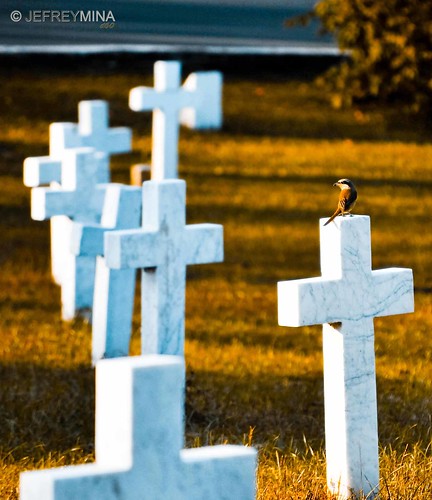
And if on my cross a bird should be seen,
Let it trill there its hymn of peace to my ashes.
Let the sun draw the vapors up to the sky,
And heavenward in purity bear my tardy protest
Let some kind soul o 'er my untimely fate sigh,
And in the still evening a prayer be lifted on high
From thee, 0 my country, that in God I may rest.
Pray for all those that hapless have died,
For all who have suffered the unmeasur'd pain;
For our mothers that bitterly their woes have cried,
For widows and orphans, for captives by torture tried
And then for thyself that redemption thou mayst gain.
And when the dark night wraps the graveyard around
With only the dead in their vigil to see
Break not my repose or the mystery profound
And perchance thou mayst hear a sad hymn resound
'T is I, O my country, raising a song unto thee.
And even my grave is remembered no more
Unmark'd by never a cross nor a stone
Let the plow sweep through it, the spade turn it o'er
That my ashes may carpet earthly floor, Before into nothingness at last they are blown.
Then will oblivion bring to me no care
As over thy vales and plains I sweep;
Throbbing and cleansed in thy space and air
With color and light, with song and lament I fare, Ever repeating the faith that I keep.
My Fatherland ador'd, that sadness to my sorrow lends Beloved Filipinas, hear now my last good-by!
I give thee all: parents and kindred and friends For I go where no slave before the oppressor bends,
Where faith can never kill, and God reigns e'er on high!
Farewell to you all, from my soul torn away,
Friends of my childhood in the home dispossessed !
Give thanks that I rest from the wearisome day !
Farewell to thee, too, sweet friend that lightened my way;
Beloved creatures all, farewell! In death there is rest !
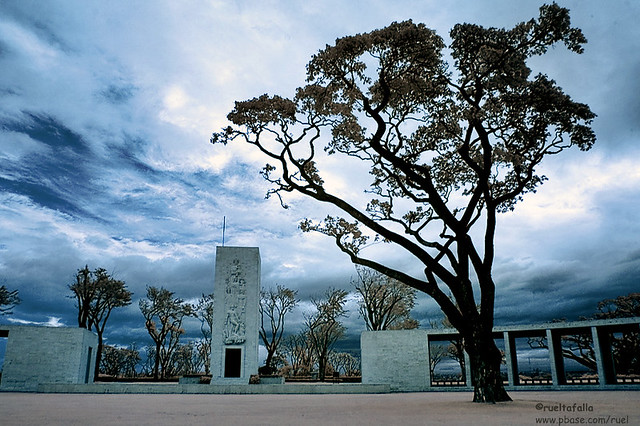
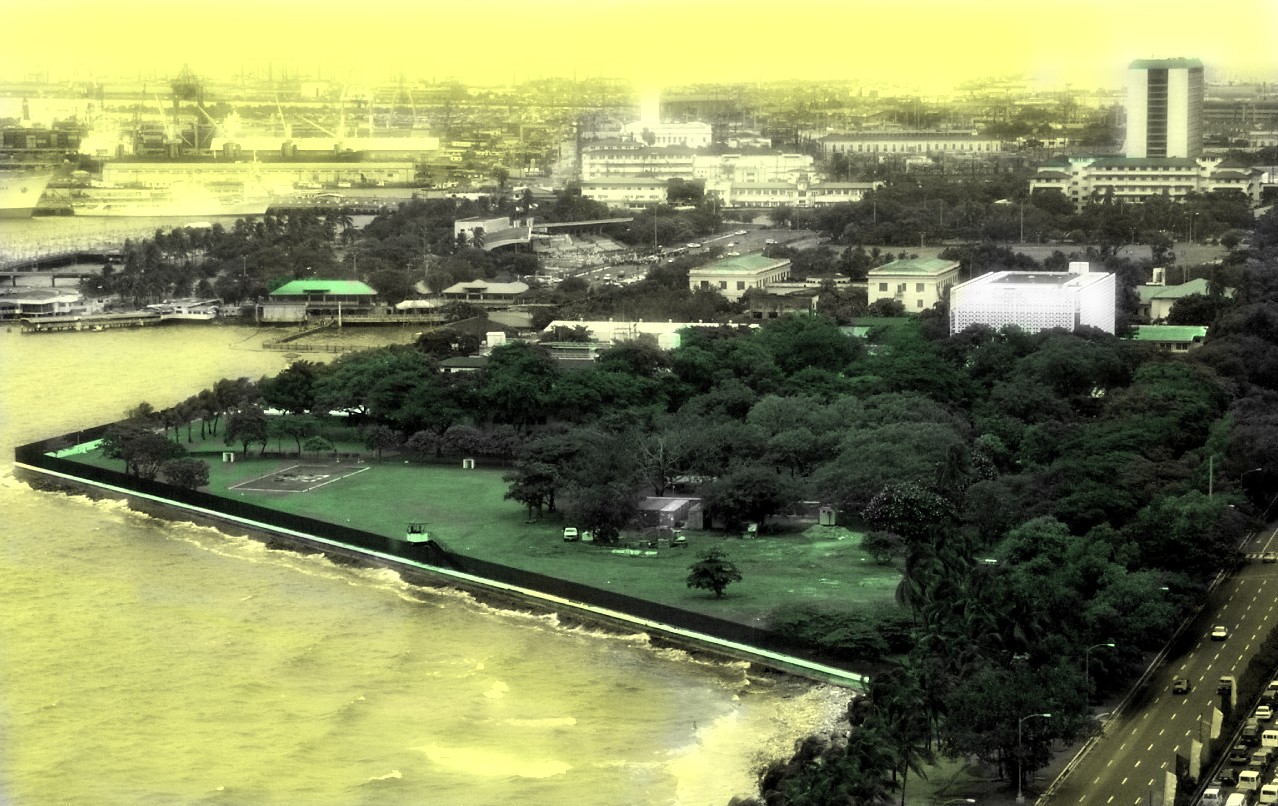
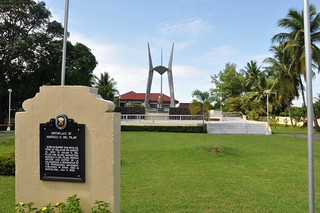
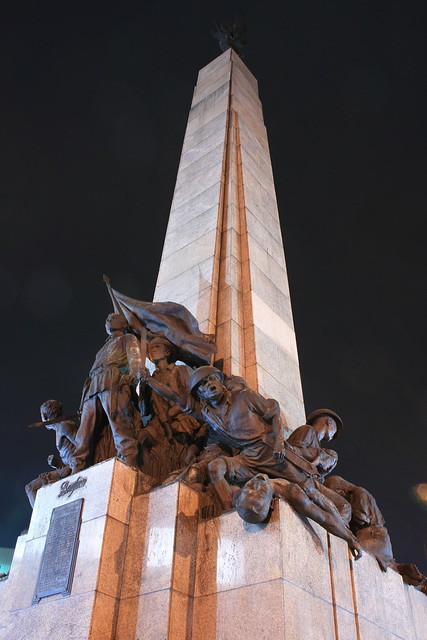
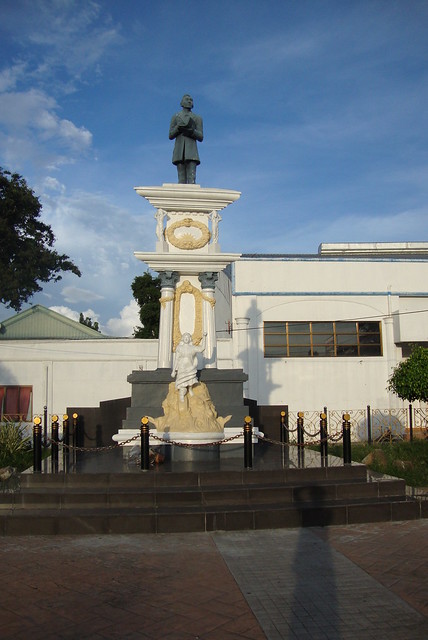
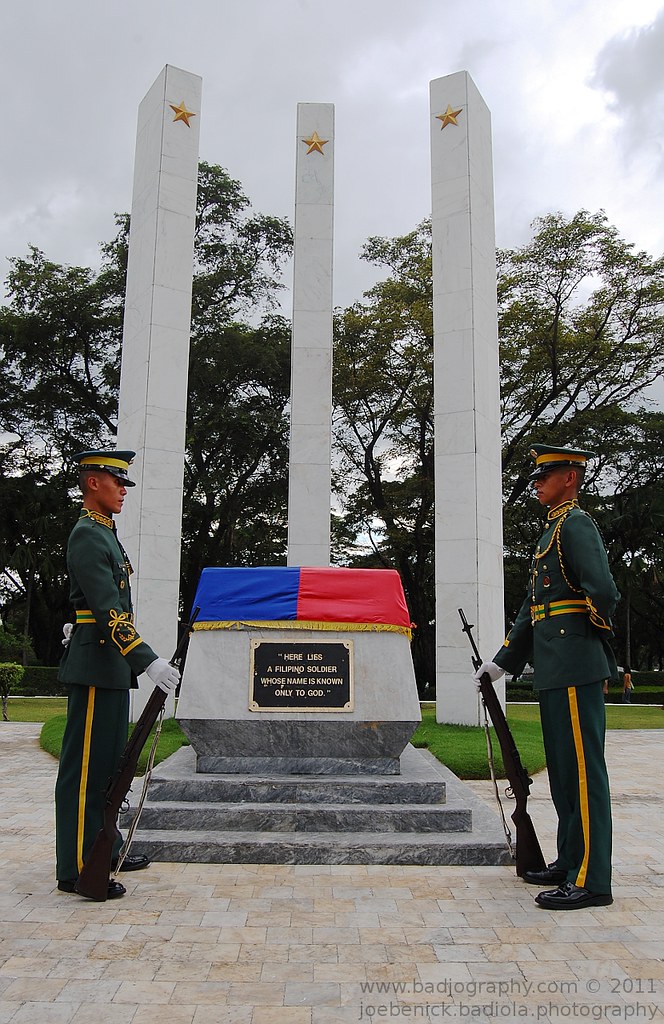
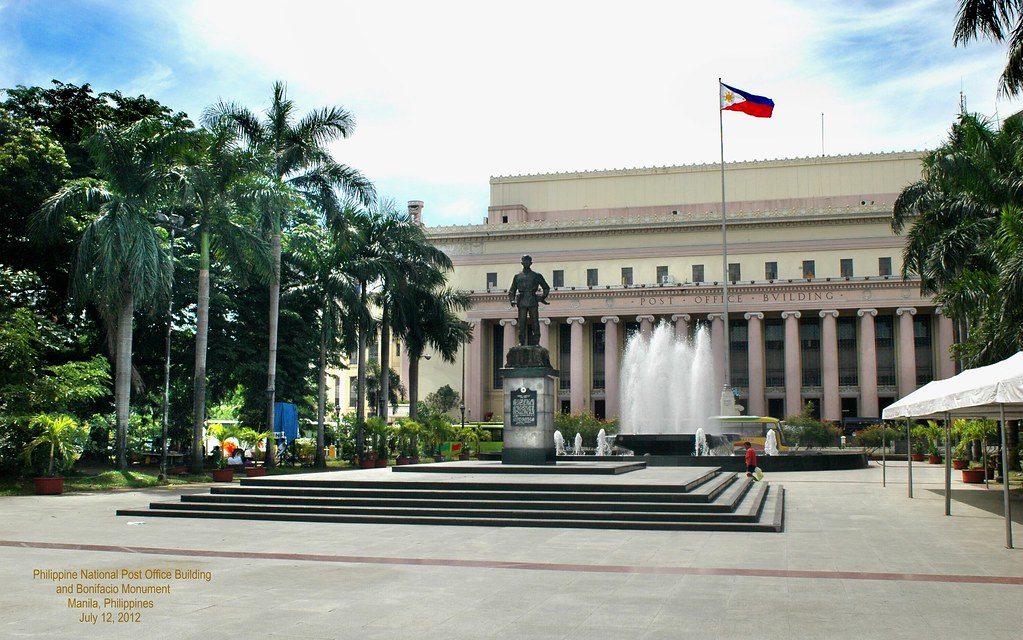
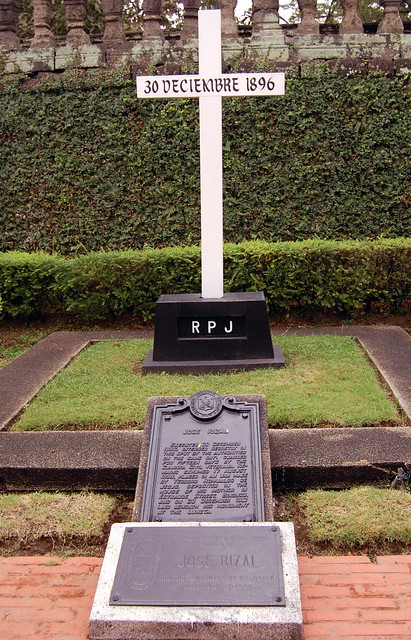
Rizal Park, Ermita. At the centre of it all is the 1913 bronze Rizal's monument situated a few metres away from the marker indicating the actual execution site. An honor guard is on duty 24 hours a day. Behind the monument, the original Spanish version of the poem "Mi Ultimo Adios" is engraved, along with translations in other languages. Rizal wrote this poem while imprisoned in his cell in Fort Santiago from November 3, 1896 to December 29, 1896. Many national dedication days are held in front of the Rizal monument. It is also where foreign leaders attend wreath-laying ceremonies during state visits.
Located on the monument is the statue of the national hero, but also his remains. On September 28, 1901, the United States Philippine Commission approved Act No. 243, which would erect a monument in Luneta to commemorate the memory of Jose Rizal, Philippine patriot, writer and poet. The committee formed by the act held an international design competition between 1905–1907 and invited sculptors from Europe and the United States to submit entries with an estimated cost of 100,000 peso’s using local materials.
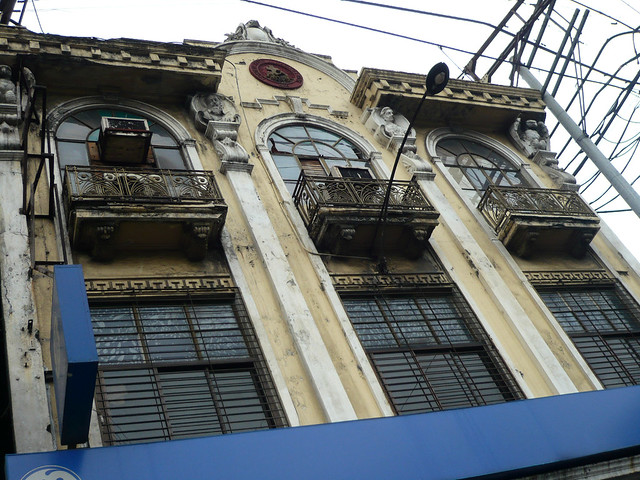
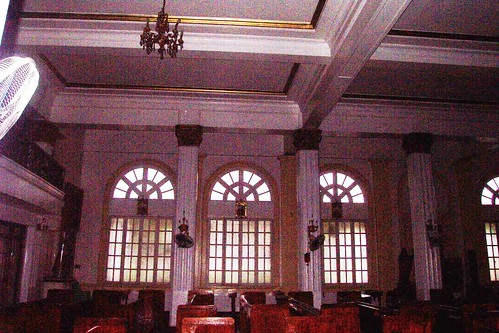
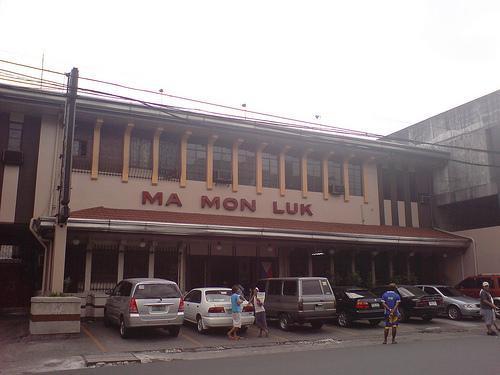
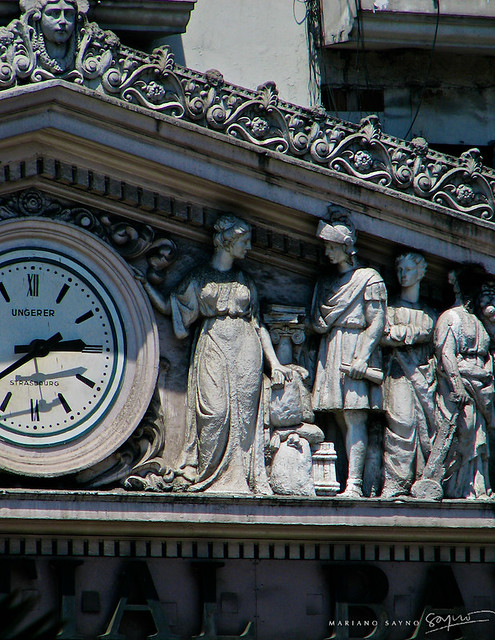
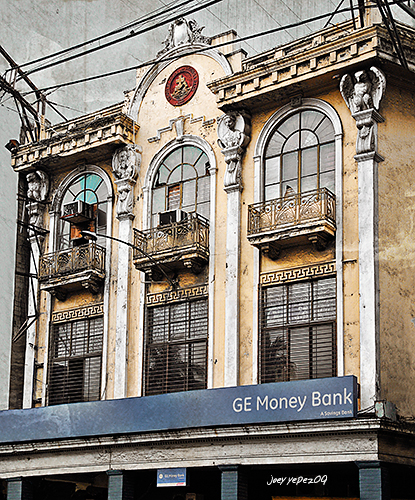
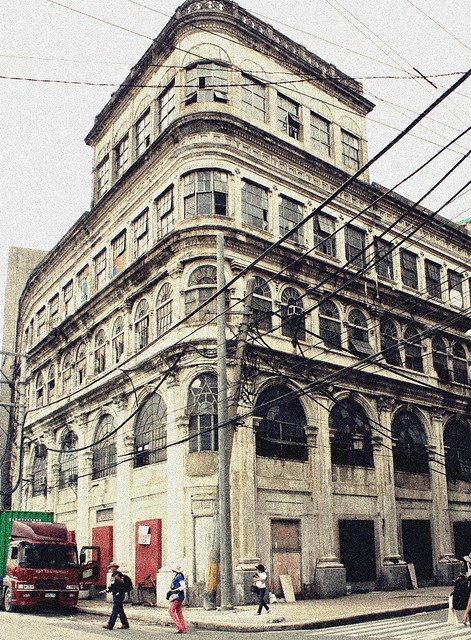
Monte de Piedad Building in Sta. Cruz.
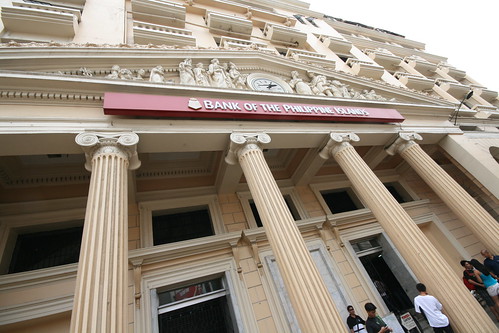
One of the older buildings in the Sta. Cruz area is the quite inconspicuous building of Monte de Piedad. It is just beside the Filipino Chinese Friendship arch at the end of Ongpin Street in Sta. Cruz district. Monte de Piedad is considered as the Philippines first savings bank having been established in 1882. The bank was established to cater to the financial needs of the poor. What’s more, the Catholic Church of the Philippines had strong ties to this bank, in fact the chairman of the board is usually the Archbishop of Manila.
|
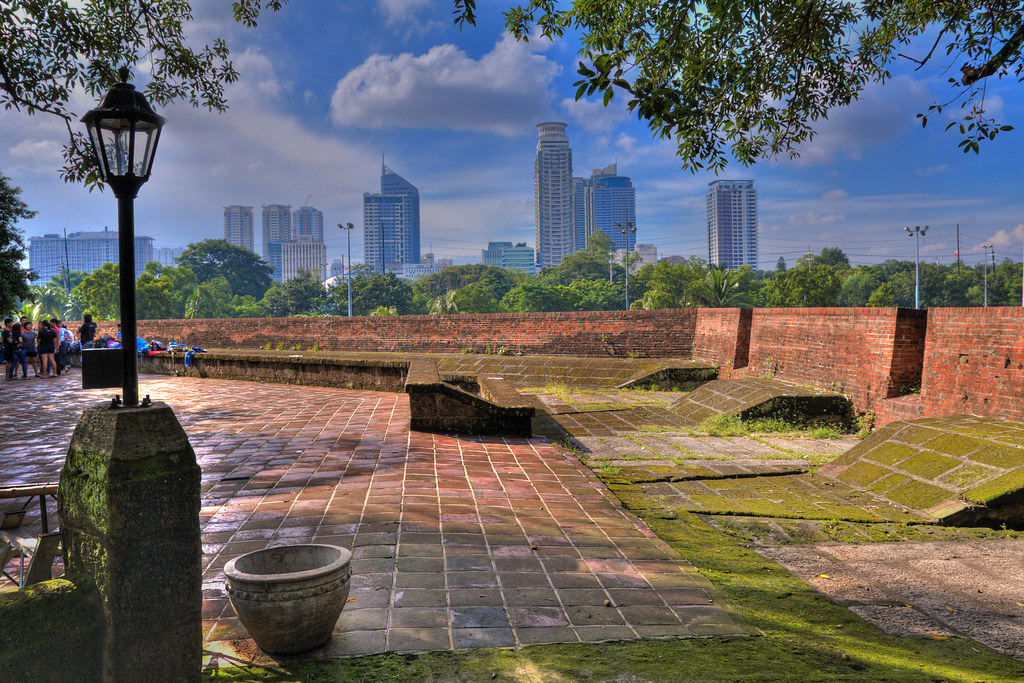
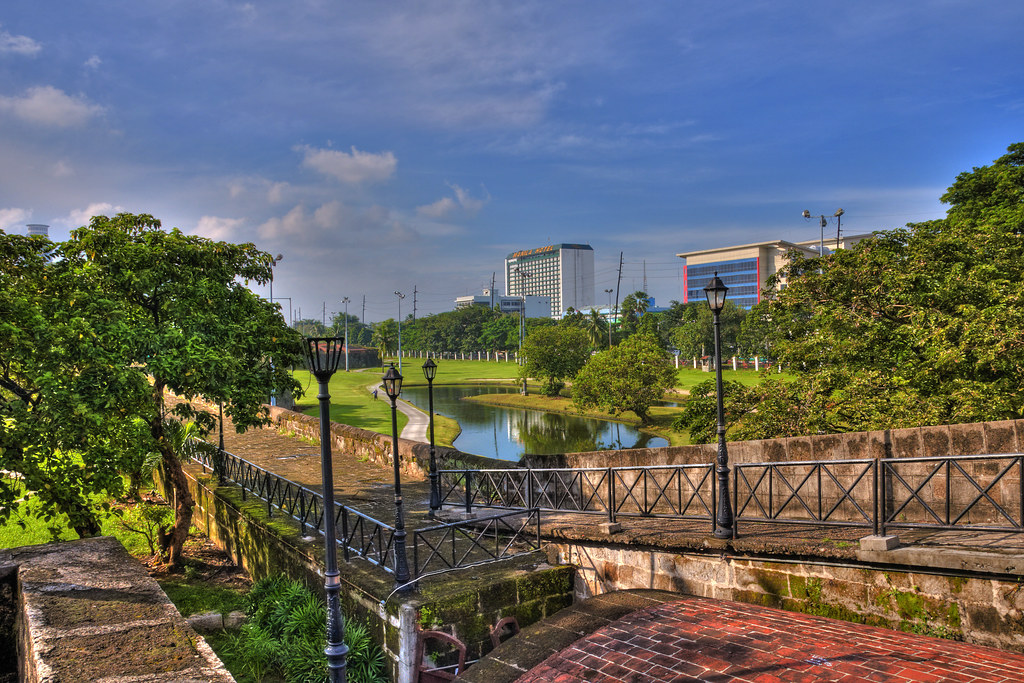
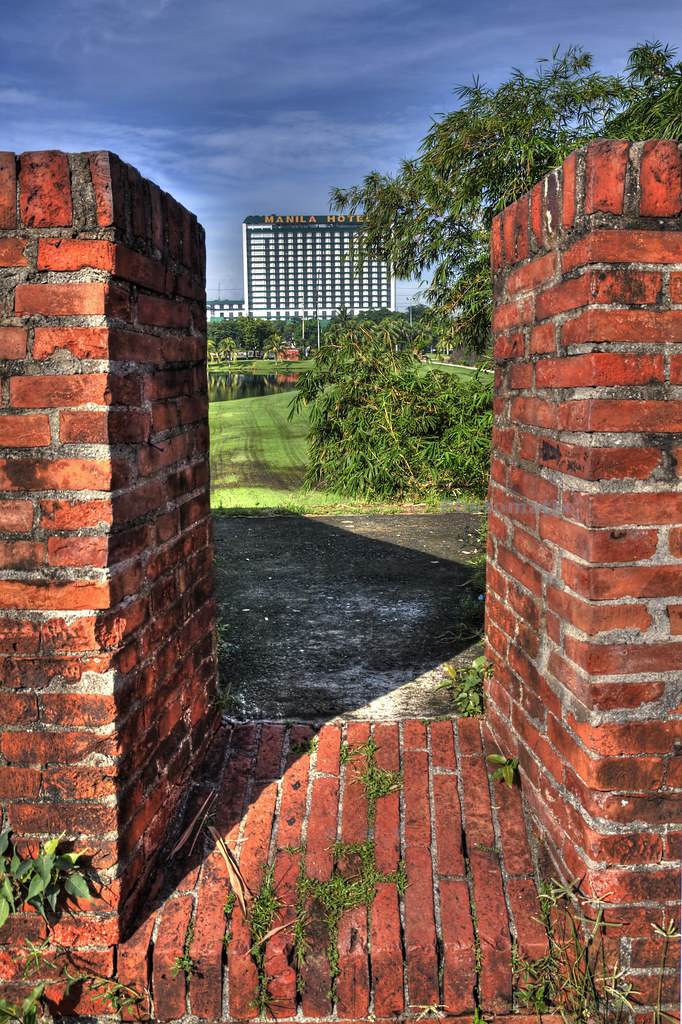
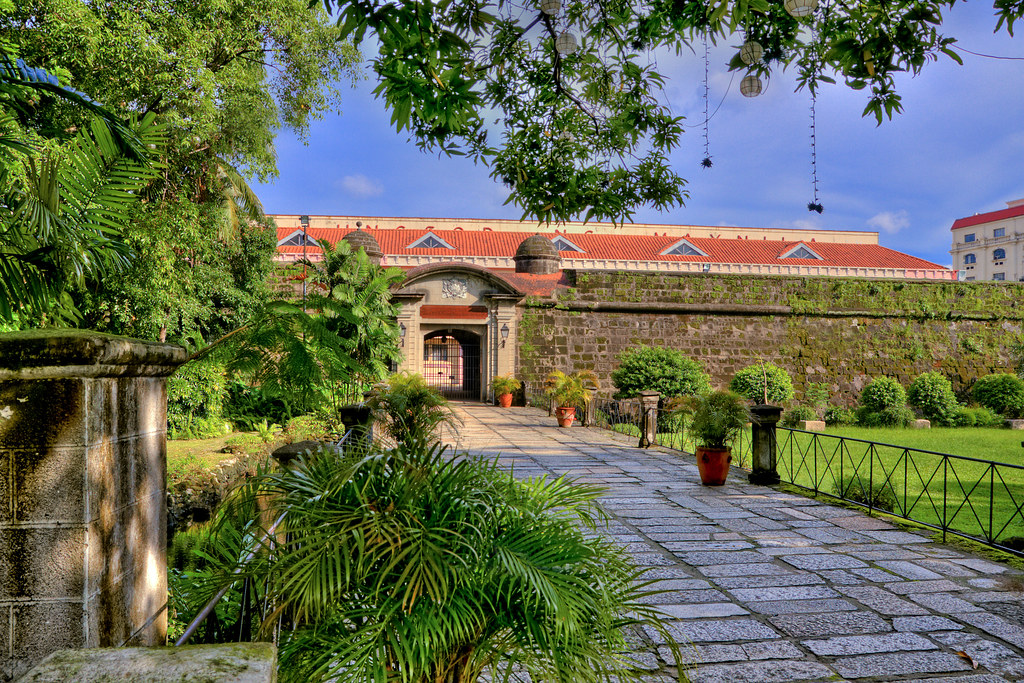
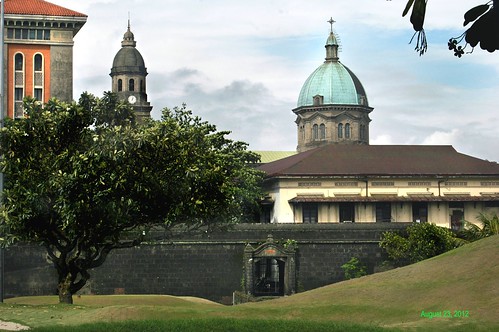
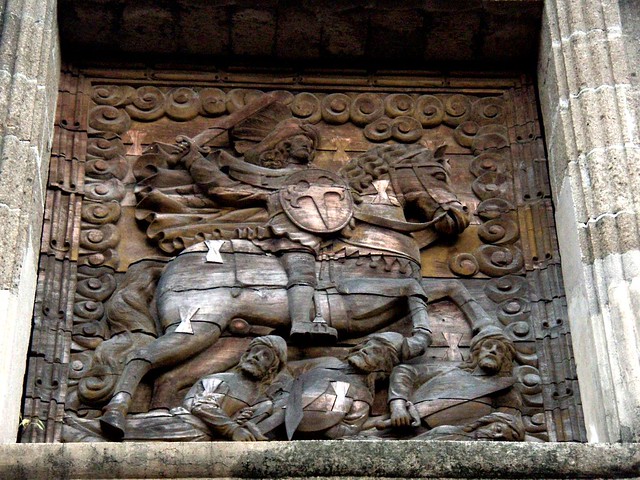
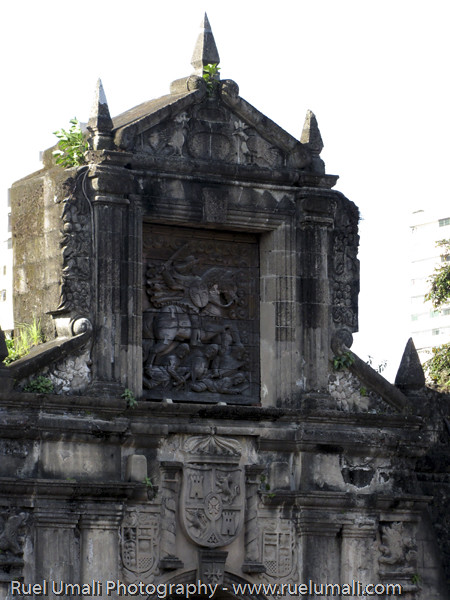
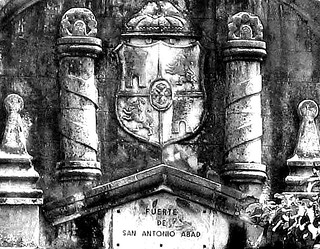
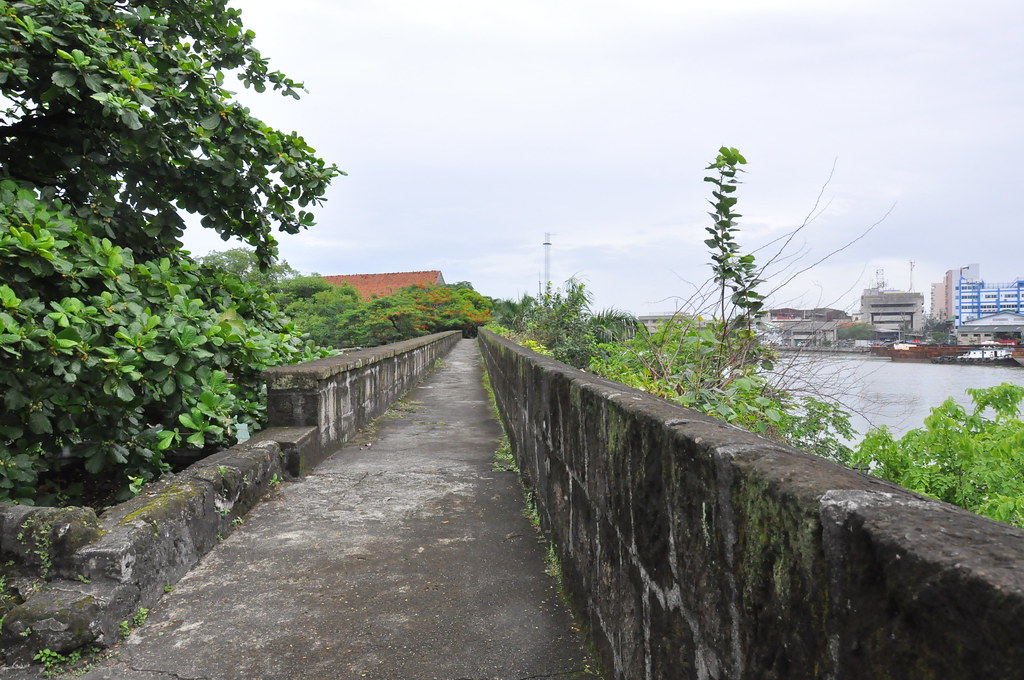
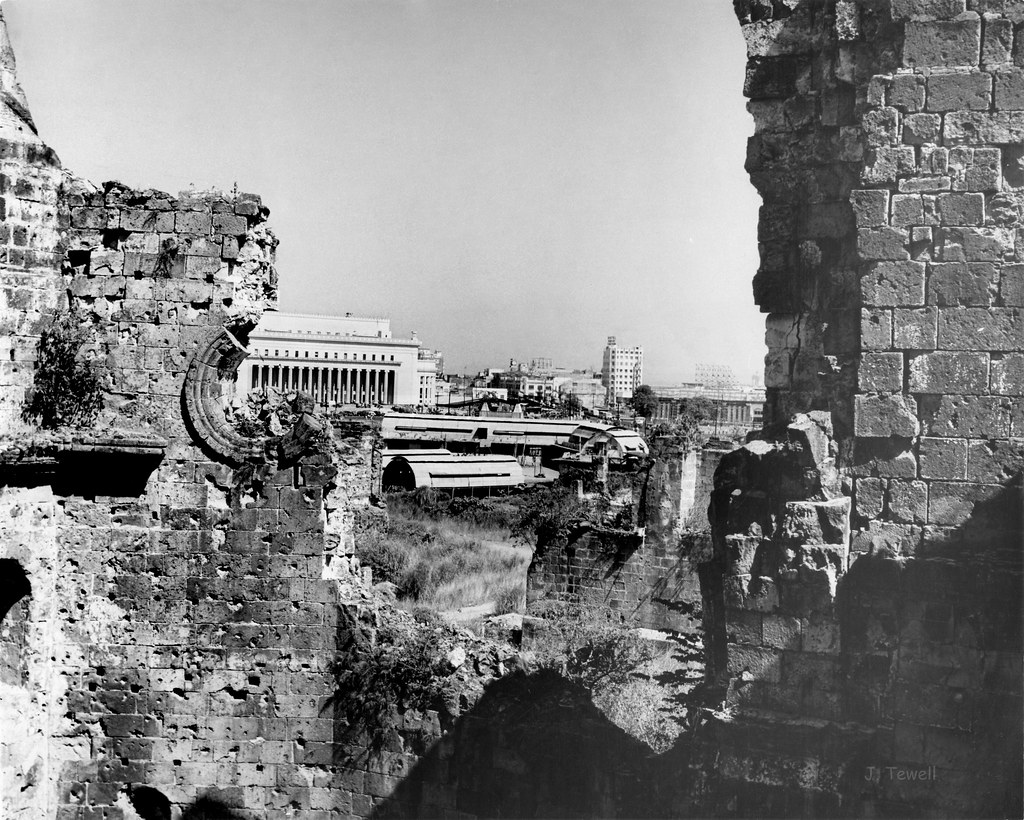
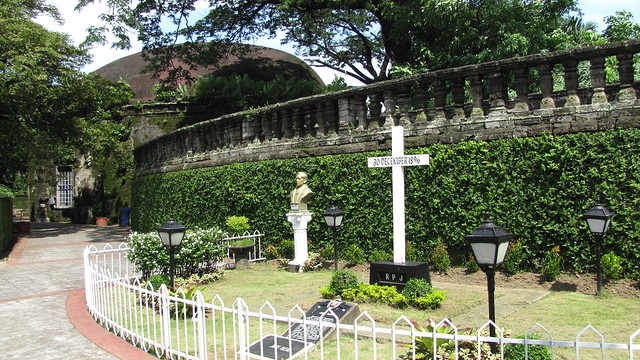
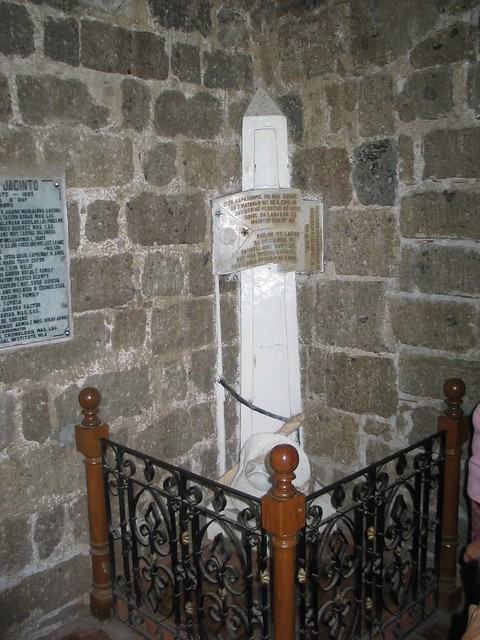
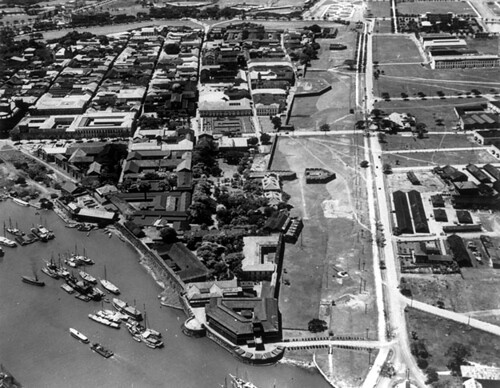
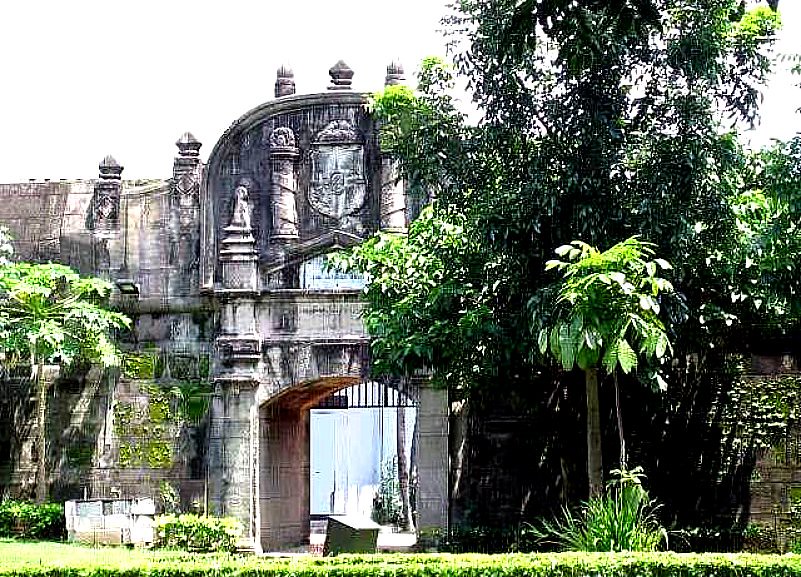
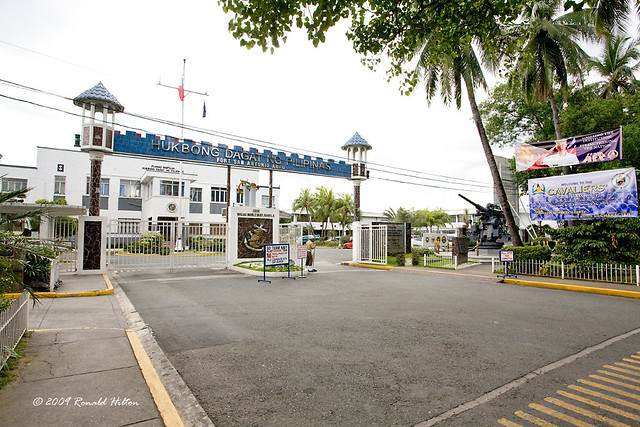
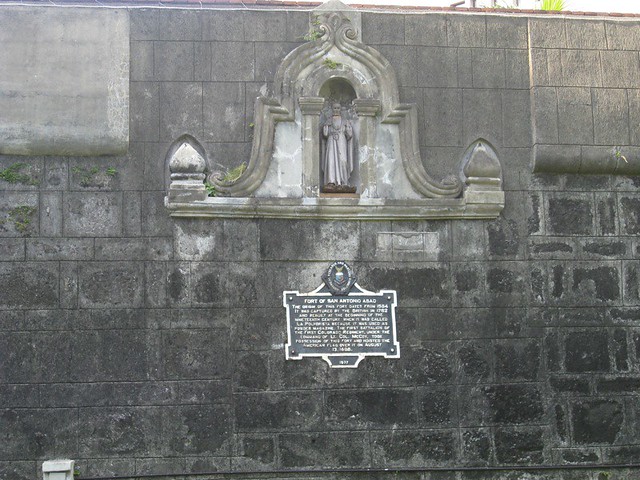
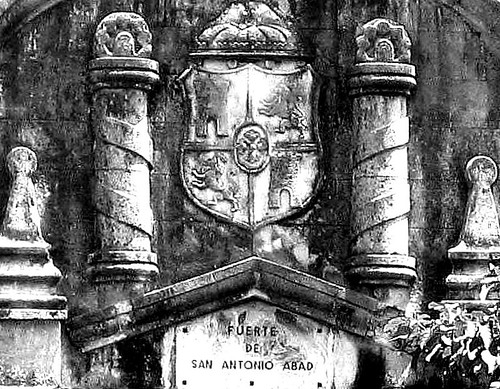
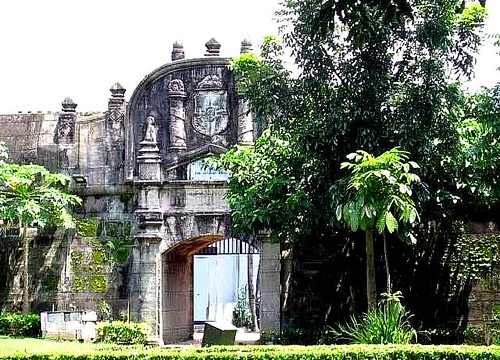
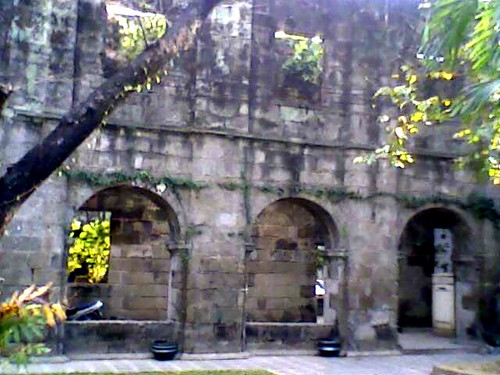
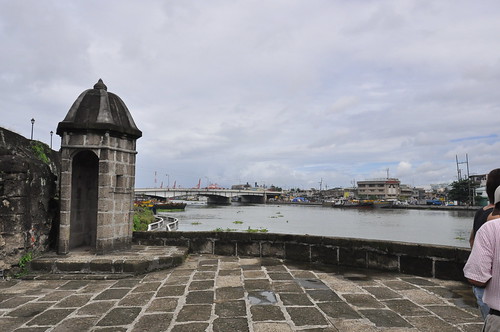
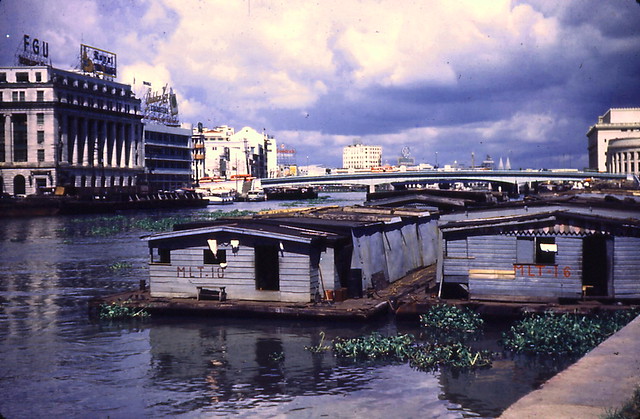
Taken from Fort Santaigo, Fort Santiago is a citadel first built by Spanish conquistador, Miguel López de Legazpi for the new established city of Manila in the Philippines. The defence fortress is part of the structures of the walled city of Manila called Intramuros ( within the walls ). The fort is one of the most important historical sites in Manila. Several lives were lost in its prisons during the Spanish Colonial Period and World War II. José Rizal, the Philippines' national hero, was imprisoned here before his execution in 1896. The Rizal Shrine museum displays memorabilia of the hero in their collection and the fort features, embedded onto the ground in bronze, his footsteps representing his final walk from his cell to the location of the actual execution. The fort was named after Saint James the Great ( Santiago in Spanish ), the patron saint of Spain, whose relief adorns the facade of the front gate. It is located at the mouth of the Pasig River and served as the premier defence fortress of the Spanish Government during their rule of the country. It became a main fort for the spice trade to the Americas and Europe for 333 years. The Manila Galleon trade to Acapulco, Mexico began from the Fuerza de Santiago.

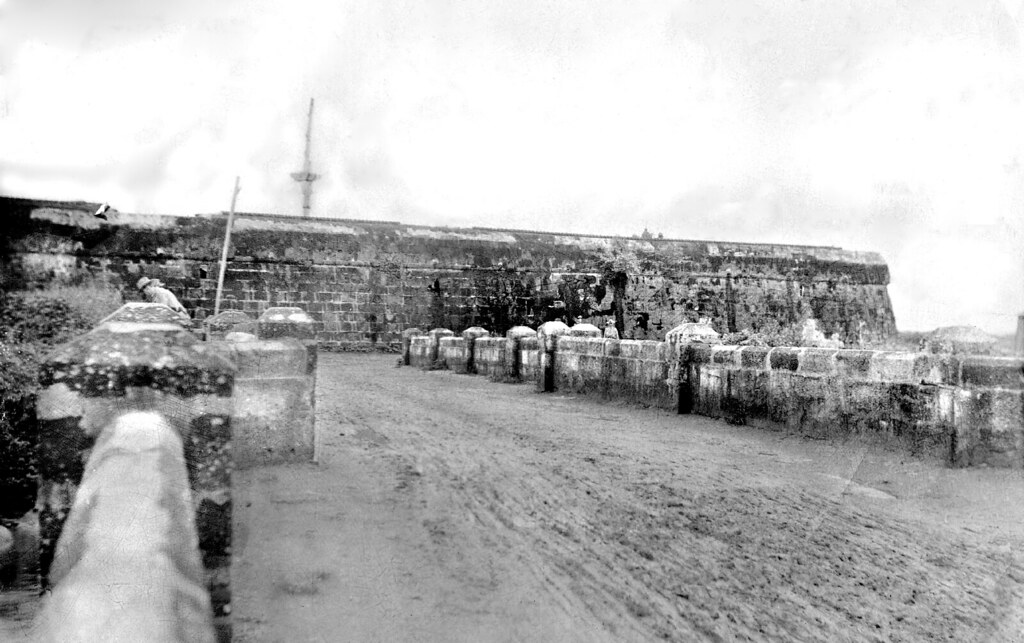
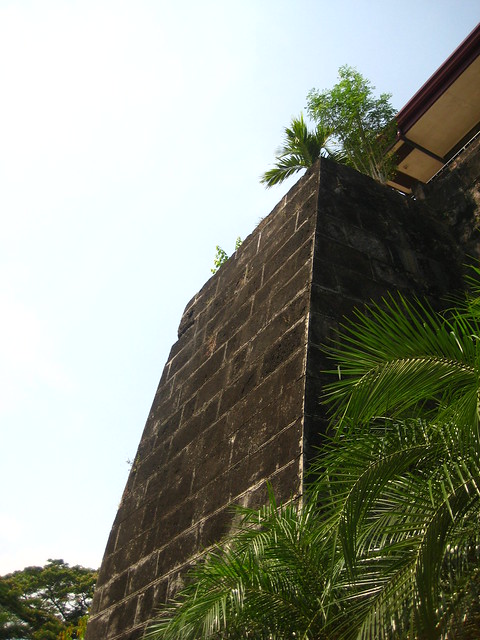
The fort has a perimeter of 2,030 feet ( 620 m ), and it is of a nearly triangular form. The south front, which looks toward the city, is a curtain with a terreplein, flanked by two demi-bastions - the Bastion of San Fernando, on the riverside, and the Bastion of San Miguel, by the bay side. A moat connected with the river separates the fort from the city. Near the beginning of the north face, instead of a bastion, a cavalier called Santa Barbara was built with three faces of batteries, one looking seaward over the anchorage place, one facing the entrance, and the third looking upon the river. The latter is united with a tower of the same height as the walls, through which there is a descent to the water battery placed on a semicircular platform, thus completing the triangular form of the fort.
The 22-foot ( 6.7 m ) high walls, with a thickness of eight feet ( 2.4 m ) are pierced for the necessary communications. The front gateway facade measures 40 feet ( 12 m ) high being in the south wall and facing the city. The communication with the river and the sea was by an obscure postern gate - the Postigo de la Nuestra Señora del Soledad ( Postern of Our Lady of Solitude ). Inside the fort were guard stations, together with the barracks of the troops of the garrison and quarters of the warden and his subalterns.
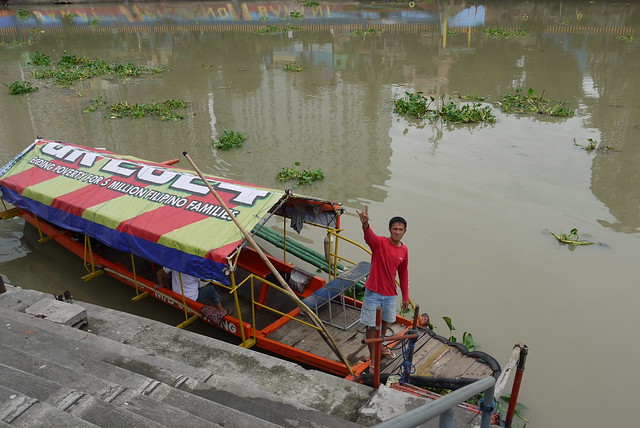
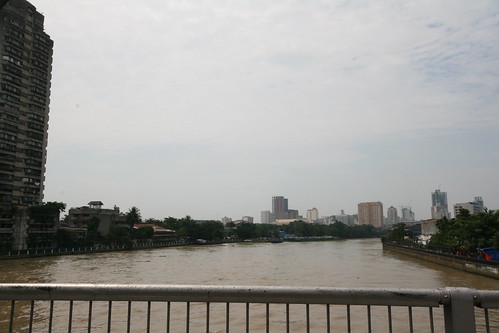
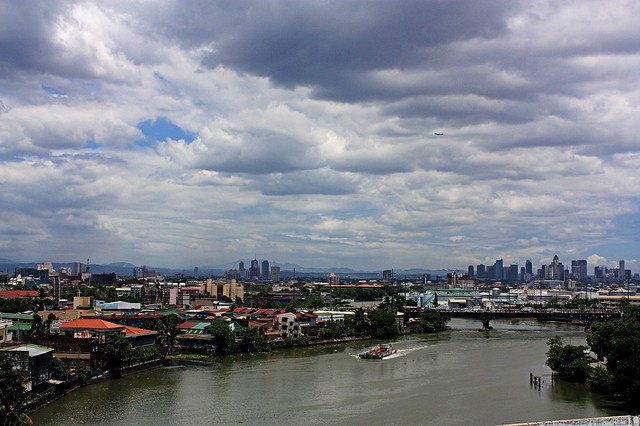
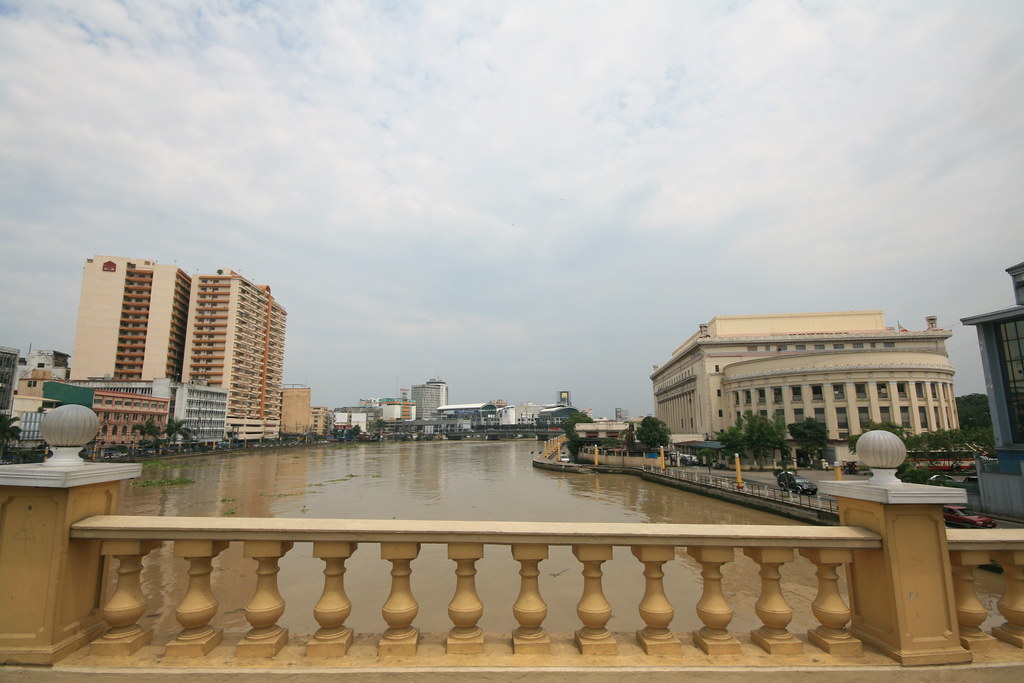
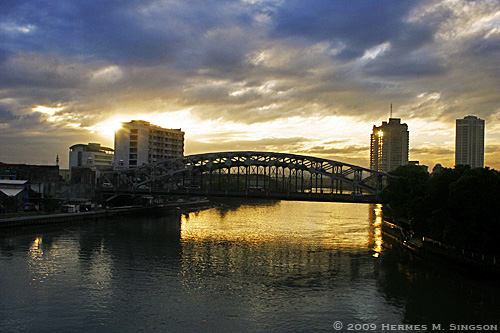
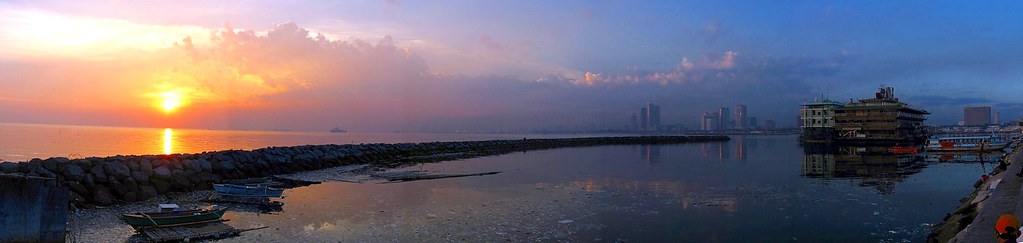
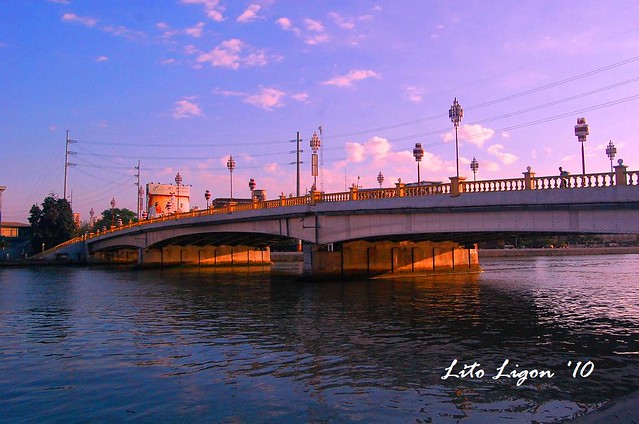
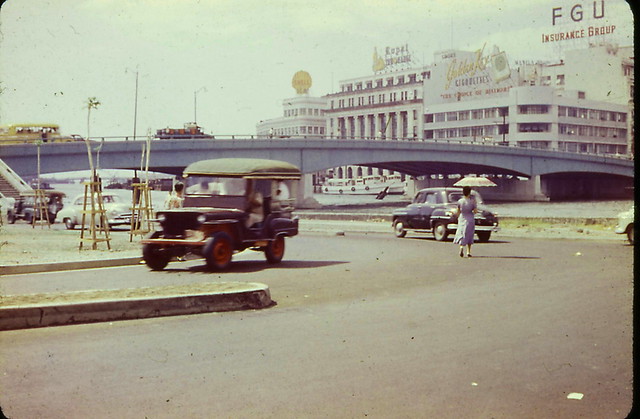
Ferry, Pasig river.Makati, Manila,
Also inside the fort were various storehouses, a chapel, the powder magazine, the sentry towers, the cisterns, etc. The location of Fort Santiago was once the site of a palisaded fort, armed with bronze guns, of Rajah Sulaiman, a Muslim chieftain of pre-Hispanic Manila. It was destroyed by maestre de campo ( master-of-camp ) Martin de Goiti who, on arriving in 1570 from Cebu, fought several battles with the Islamic natives. The Spaniards started building Fort Santiago ( Fuerza de Santiago ) after the establishment of the city of Manila under Spanish rule on June 24, 1571, and made Manila the capital of the newly colonized country.
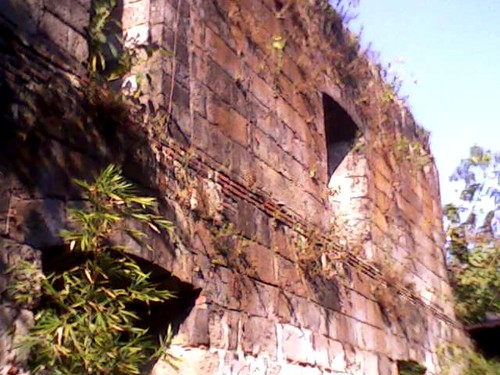
The first fort was a structure of palm logs and earth. Most of it was destroyed when the city was invaded by Chinese pirates led by Limahong. Martin de Goiti was killed during the siege. After a fierce conflict, the Spaniards under the leadership of Juan de Salcedo, eventually drove the pirates out to Pangasinan province to the north, and eventually out of the country. The construction of Fort Santiago with hard stone, together with the original fortified walls of Intramuros, began in 1590 and finished in 1593 during the reign of Gomez Perez Dasmariñas. The stones used were volcanic tuff quarried from Guadalupe ( now Gualupe Viejo in Makati ). The fort as Dasmariñas left it consisted of a castellated structure without towers, trapezoidal in trace, its straight grey front projecting into the river mouth. Arches supported an open gun platform above, named the battery of Santa Barbara, the patron saint of all good artillerymen. These arches formed casemates which afforded a lower tier of fire through embrasures. Curtain walls of simplest character, without counter forts or interior buttresses, extended the flanks to a fourth front facing the city.
| 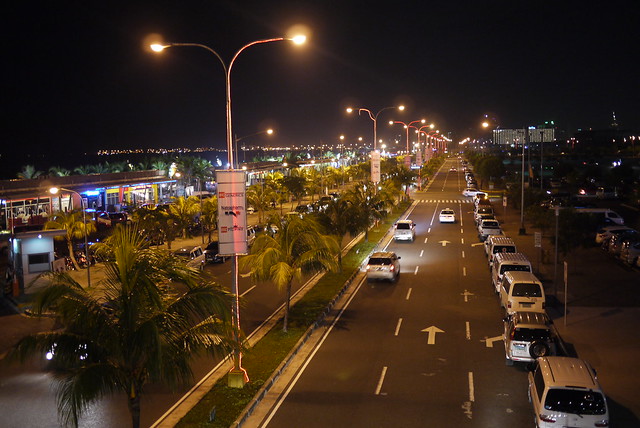
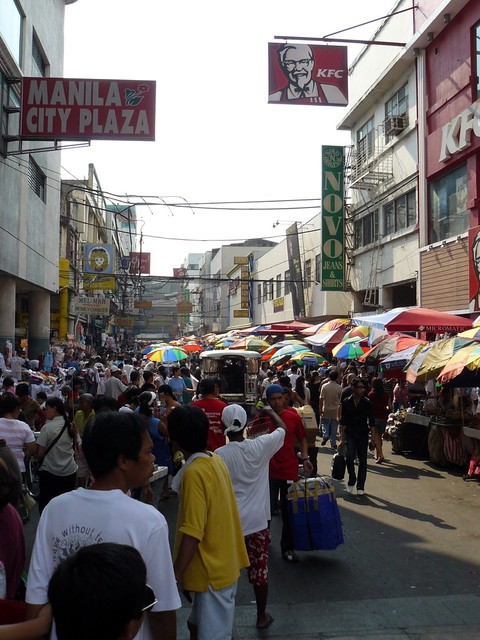
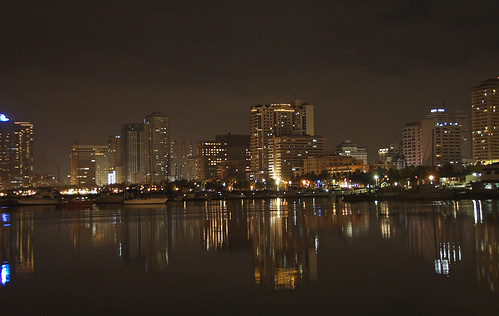
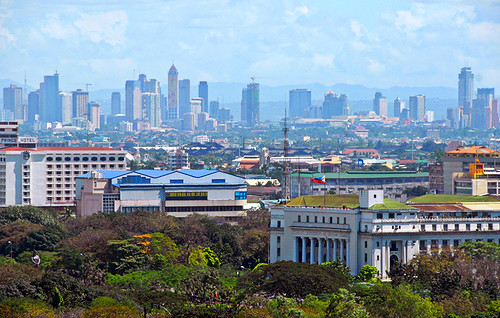
Manila
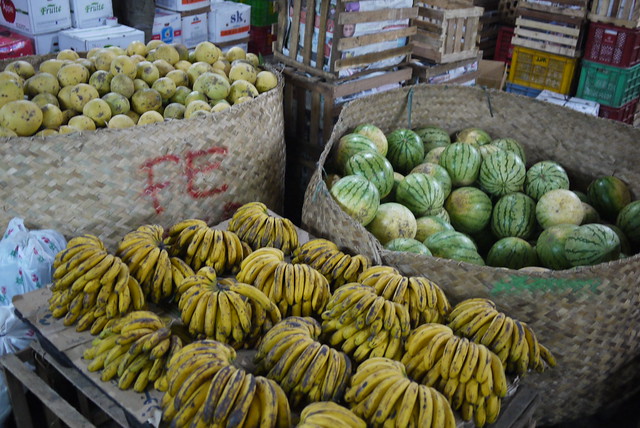
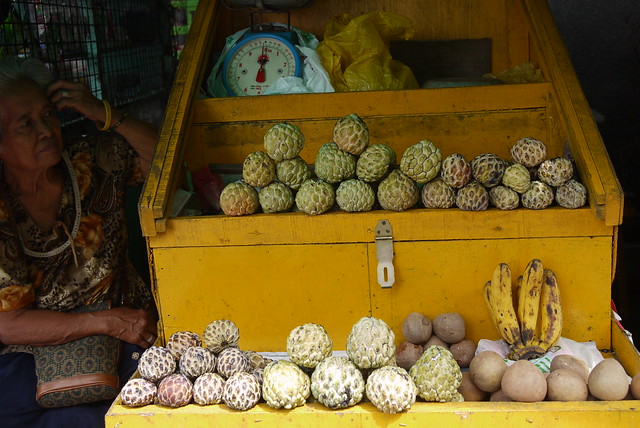
Some fruit in baskets.
Atis fruit Annona squamosa (also called sugar-apple, or sweetsop) is a species of Annona native to the tropical Americas and widely grown in El Salvador, India, Pakistan and the Philippines. Its exact native range is unknown due to extensive cultivation, but thought to be in the Caribbean; the species was described from Jamaica. 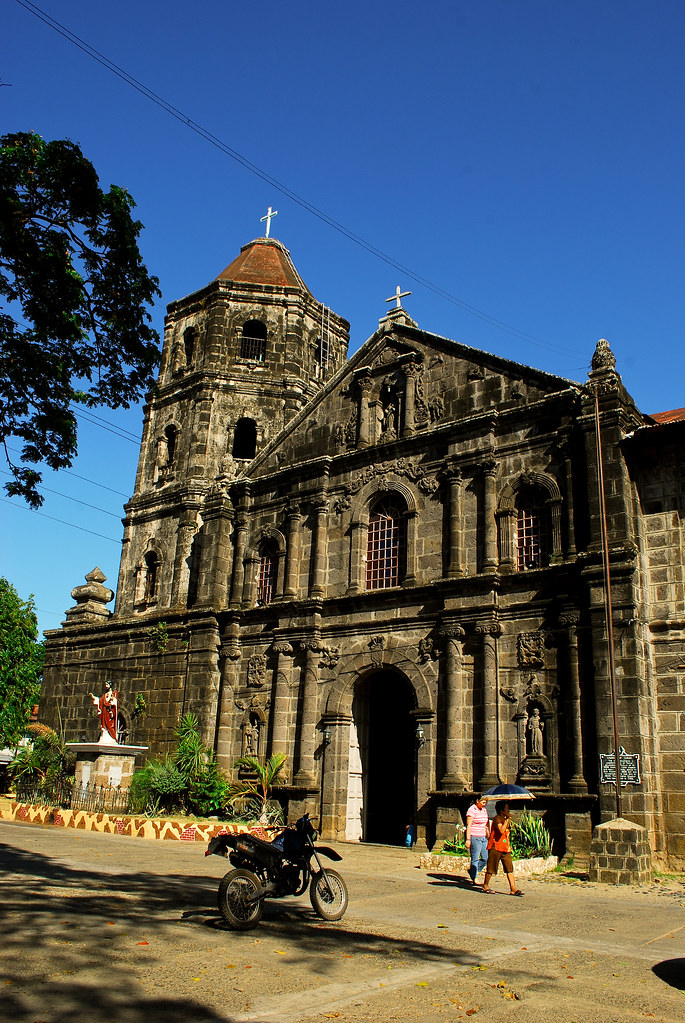
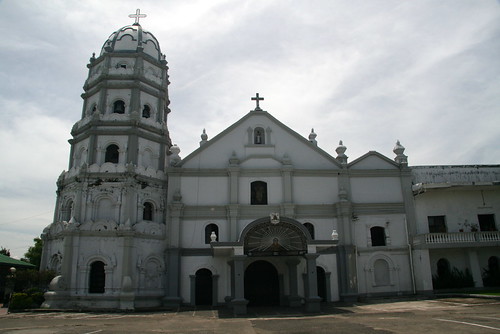
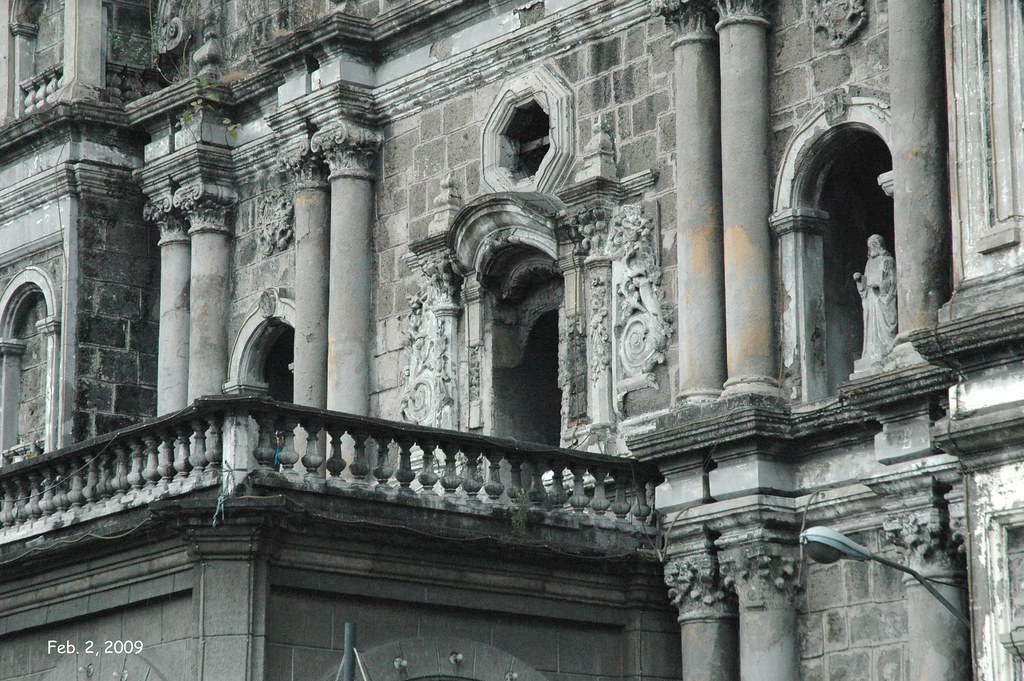
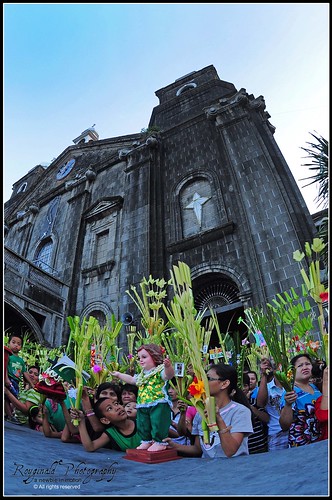
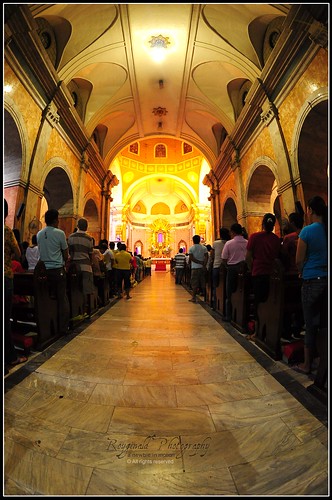
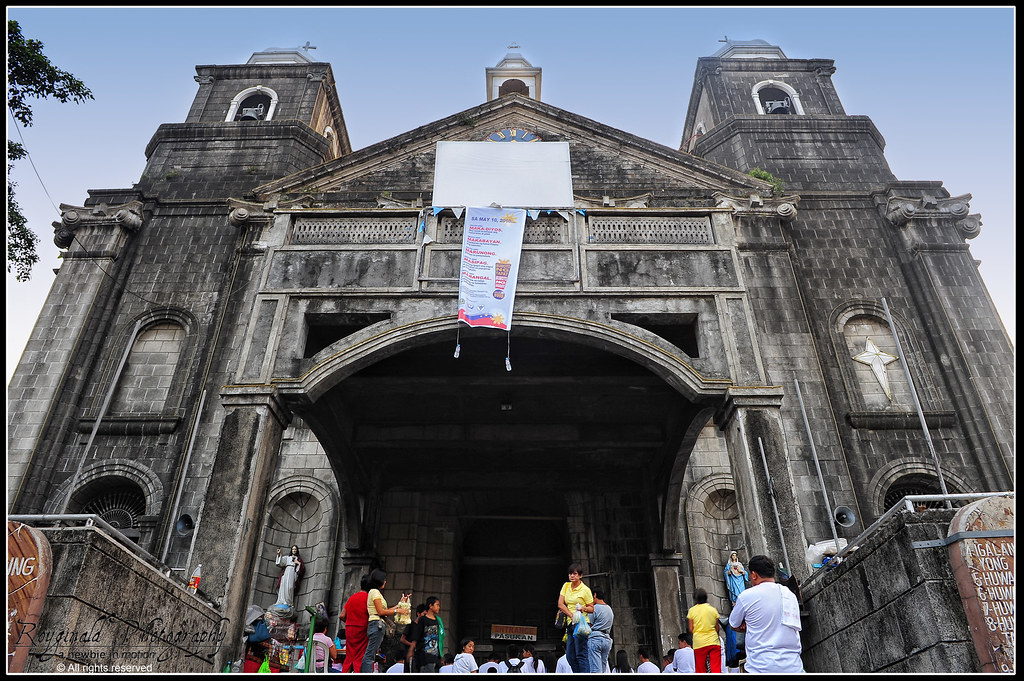
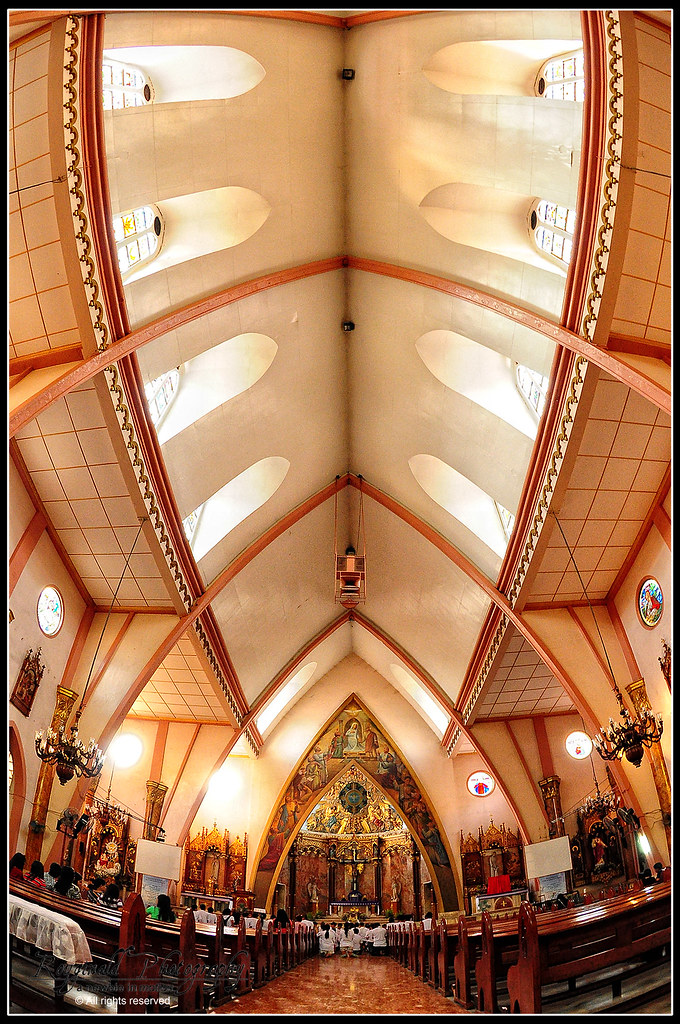
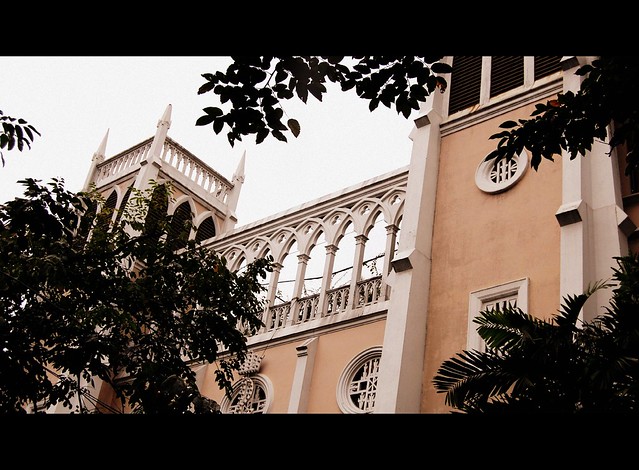
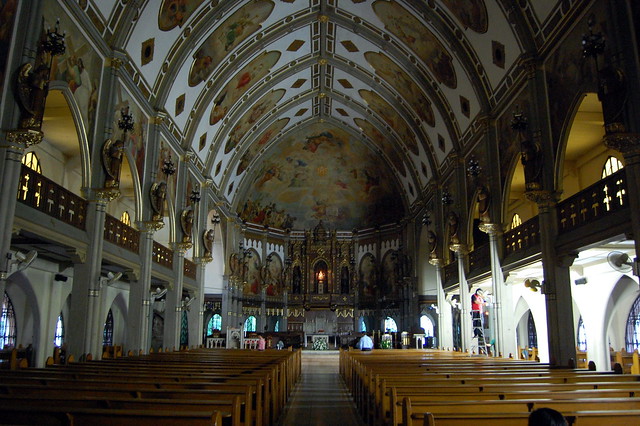
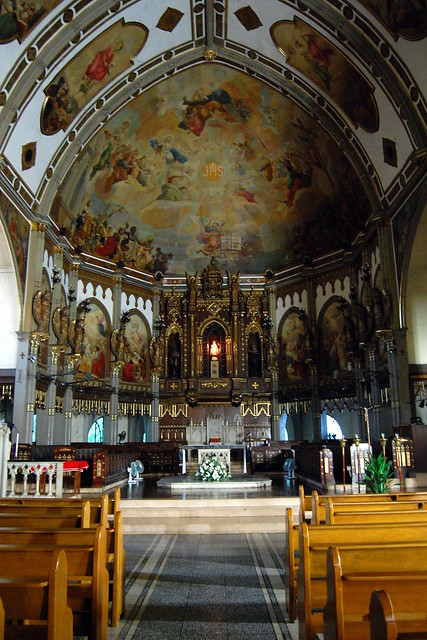
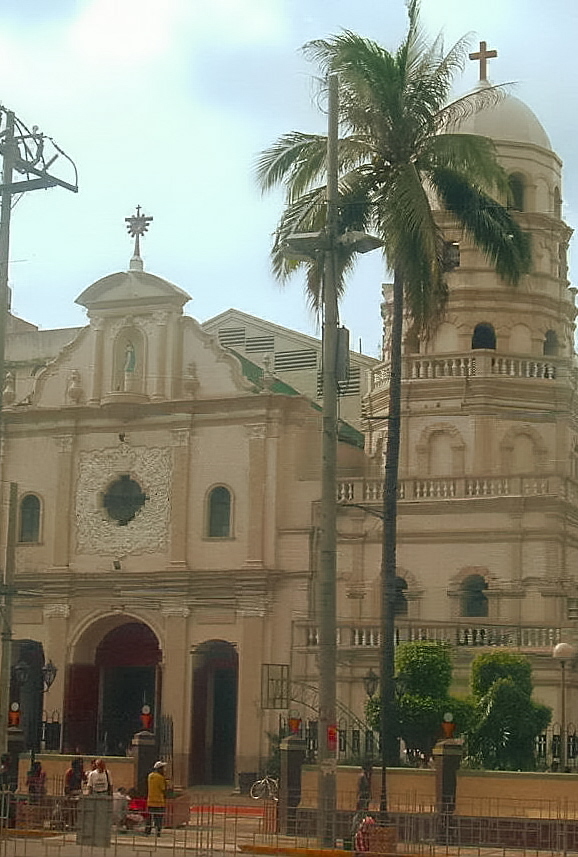
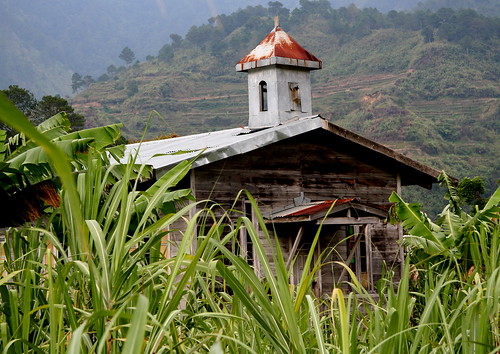
Tanay San Ildefonso Church
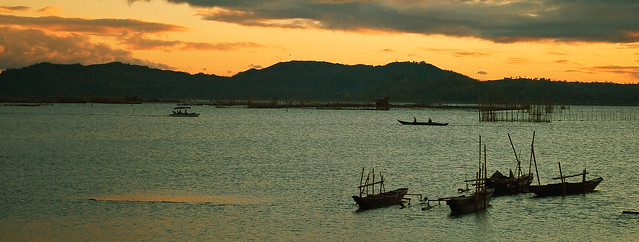
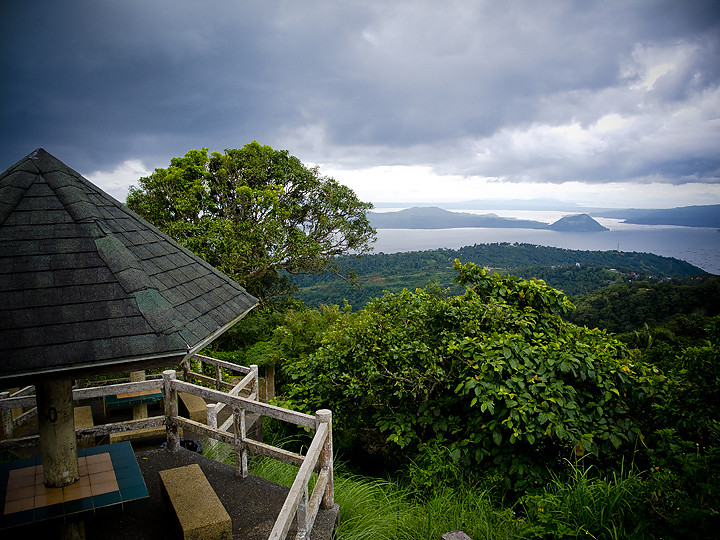
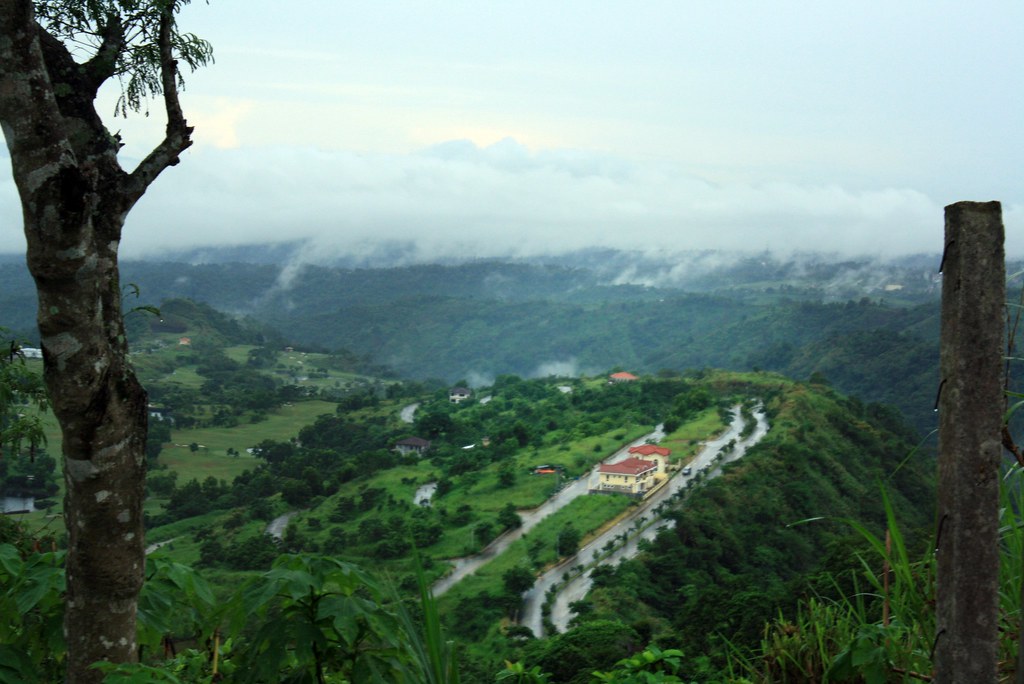
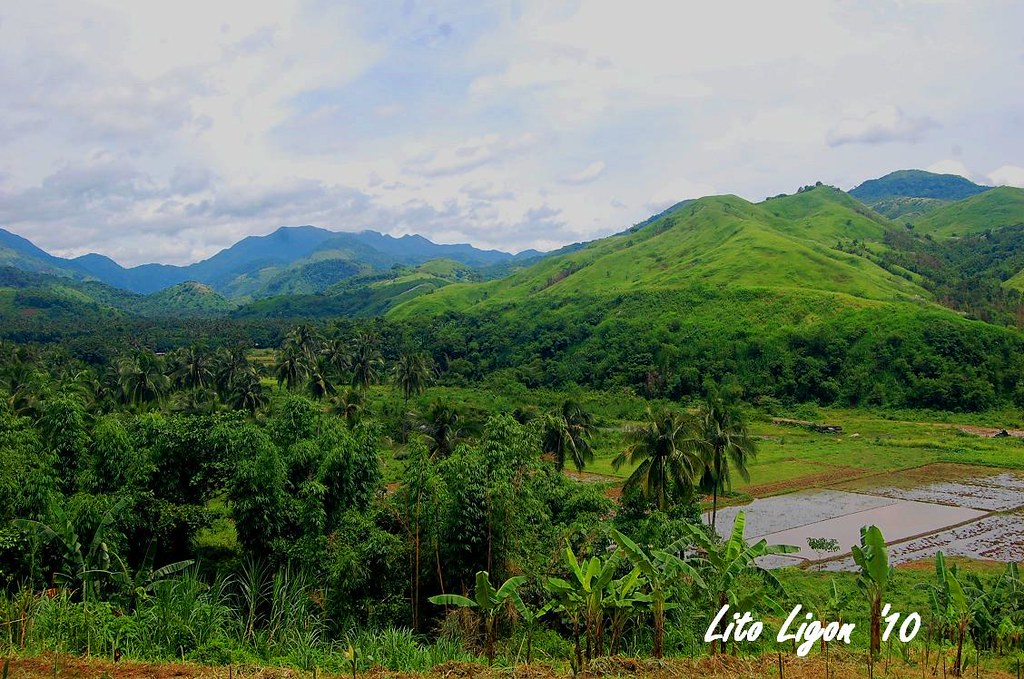
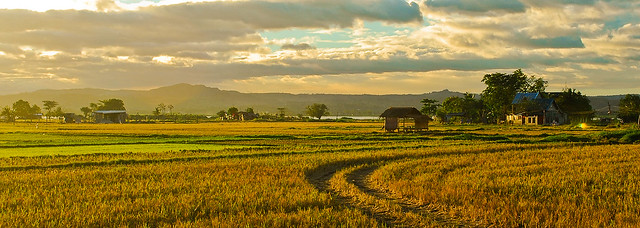
travel - breathtaking 3 (tanay, rizal)
travel - breathtaking 2 (tanay, rizal)
|










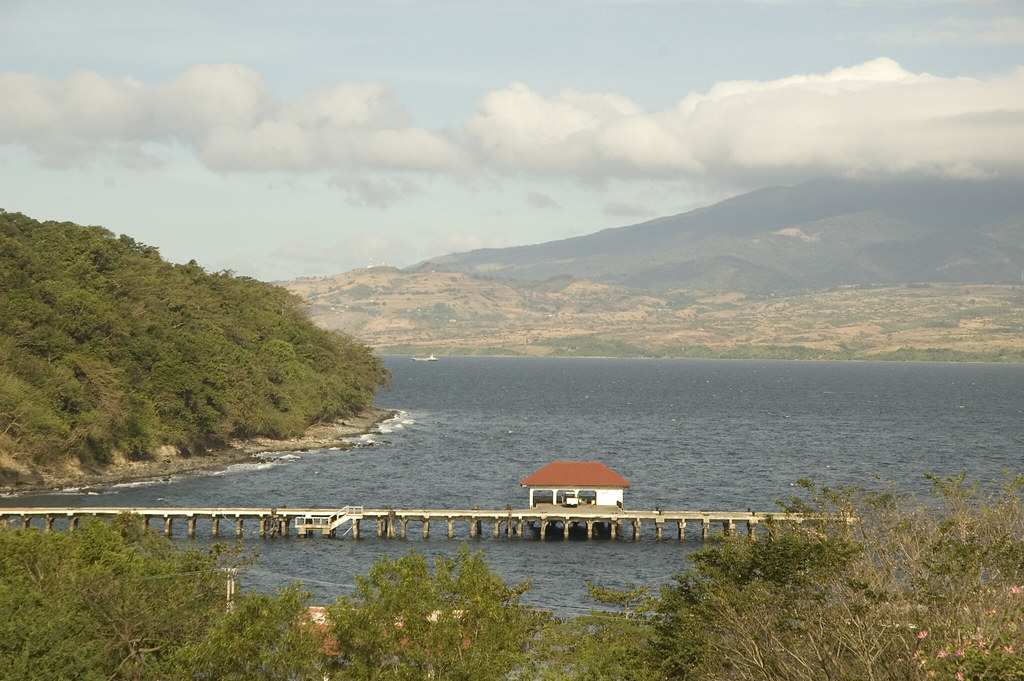










![Atty. Diosdado Macapagal raises the Philippine flag at Turtle Islands.<br />The caption reads:<br /><br />Atty. Macapagal got his first break as a public figure in 1948 when Vice President Quirino, then concurrently Secretary of Foreign Affairs, appointed him as Assistant Chief of its Law Division and assigned him to negotiate the return of the administration of the Turtle Islands from the United Kingdom to the Philippines. He succeeded and [Vice President] Quirino gave him the privilege of raising the Philippine flag over the islands. <br />- From Nipa Hut to Presidential Palace by Diosdado Macapagal<br />](http://25.media.tumblr.com/tumblr_maw980UQkV1qifq8yo1_500.jpg)



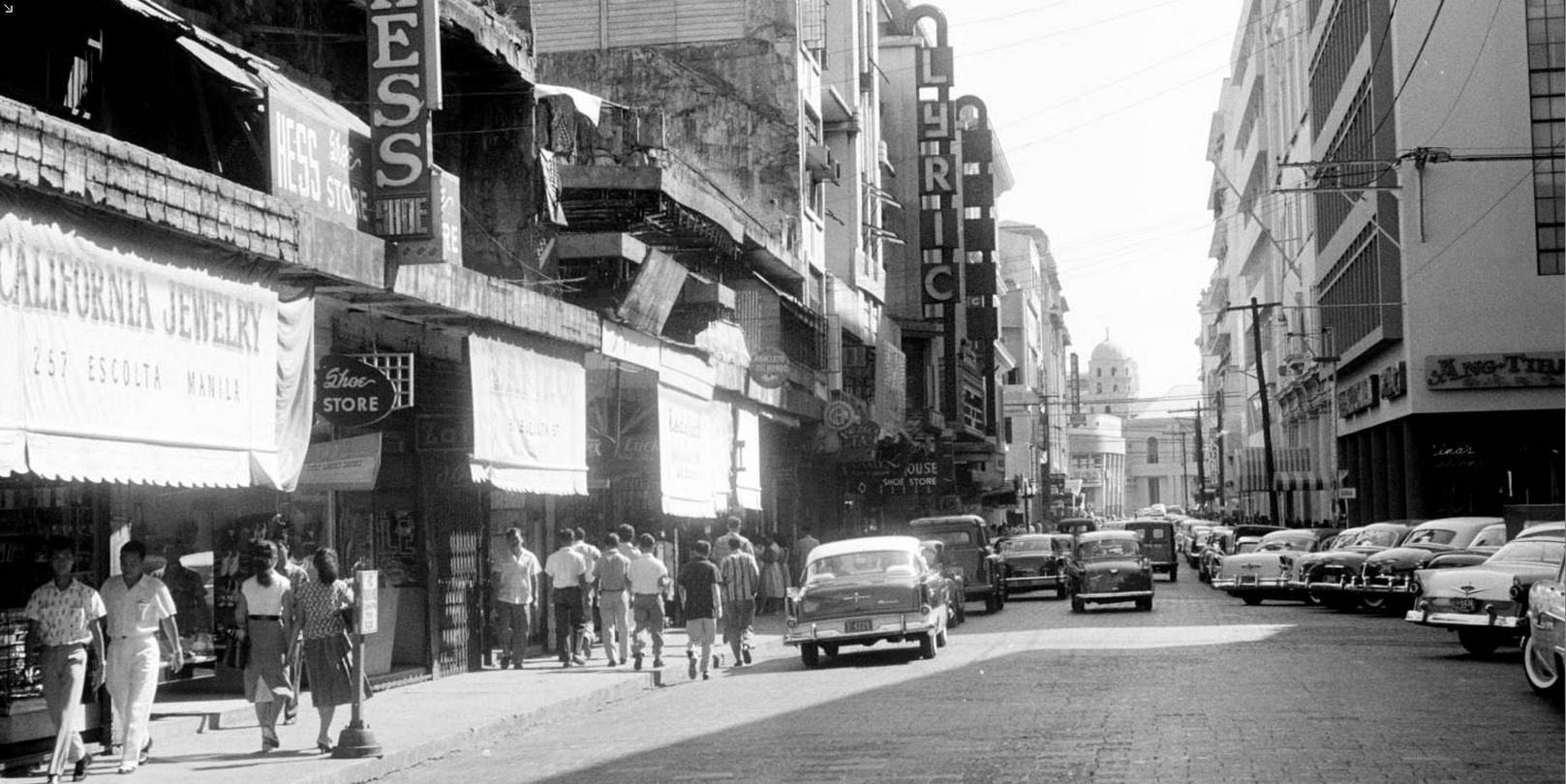
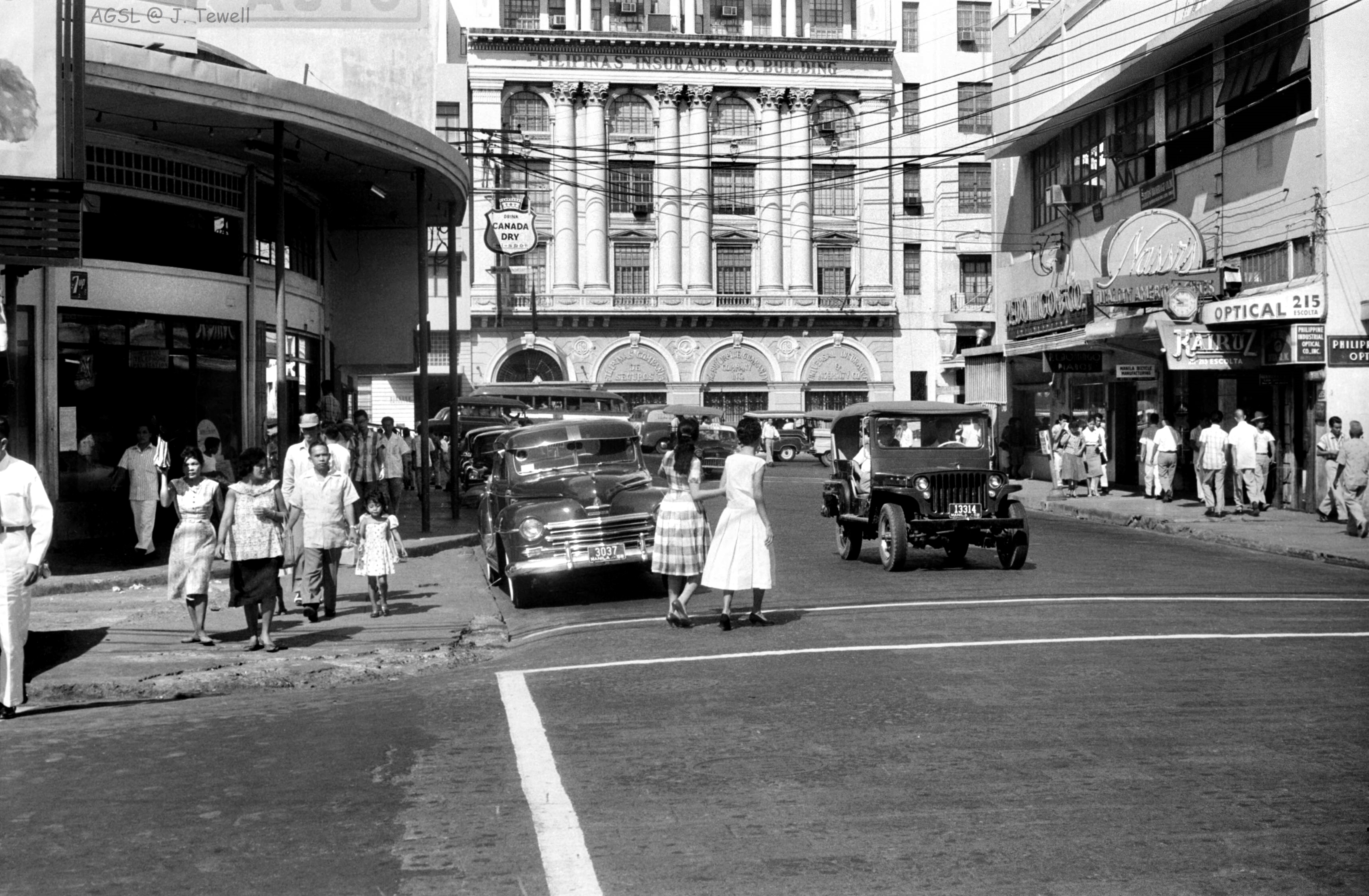
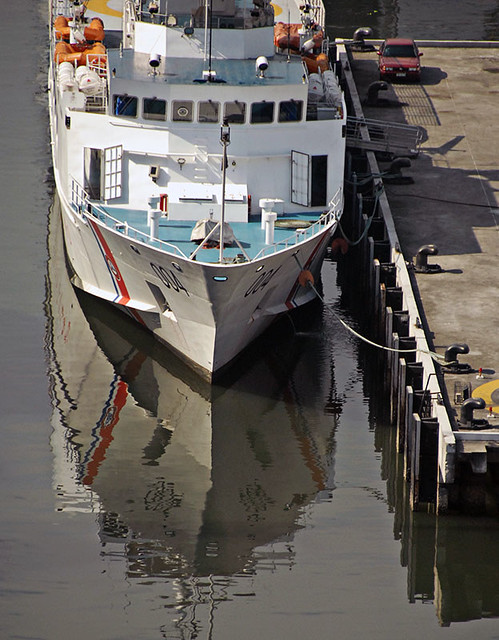
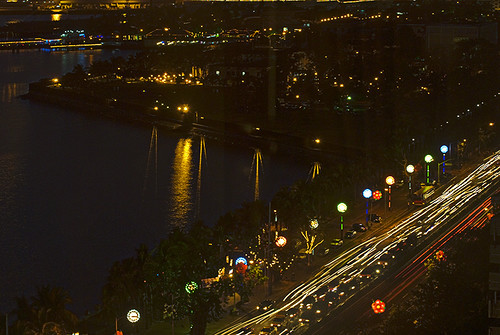
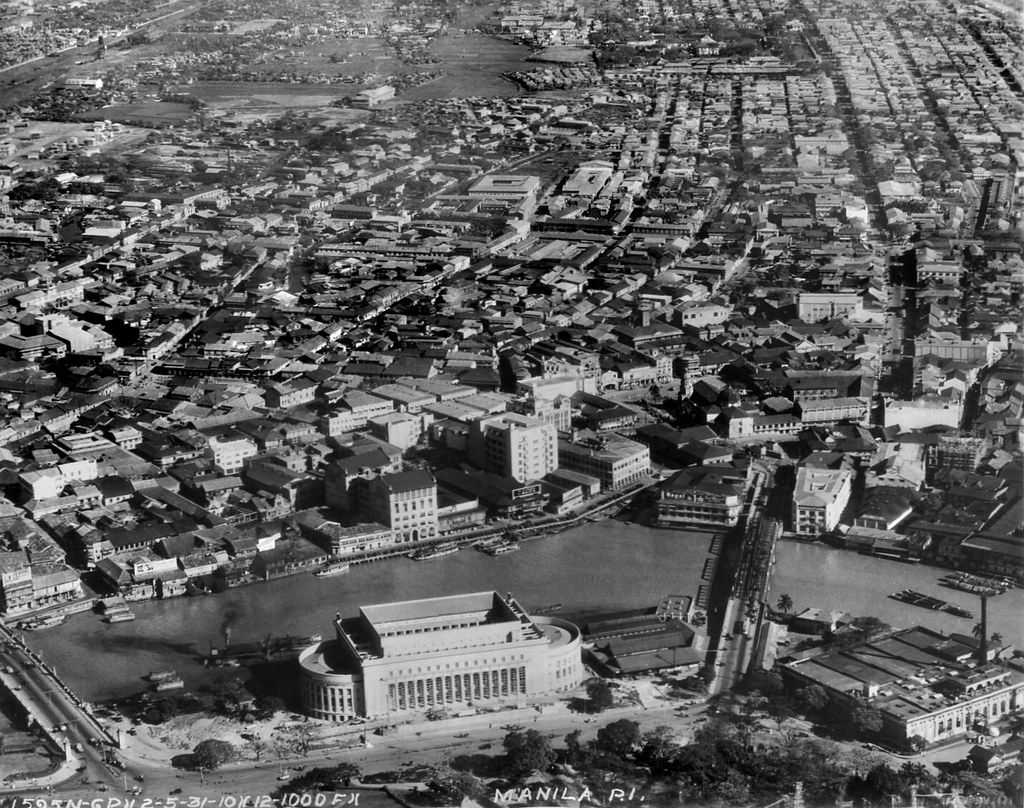



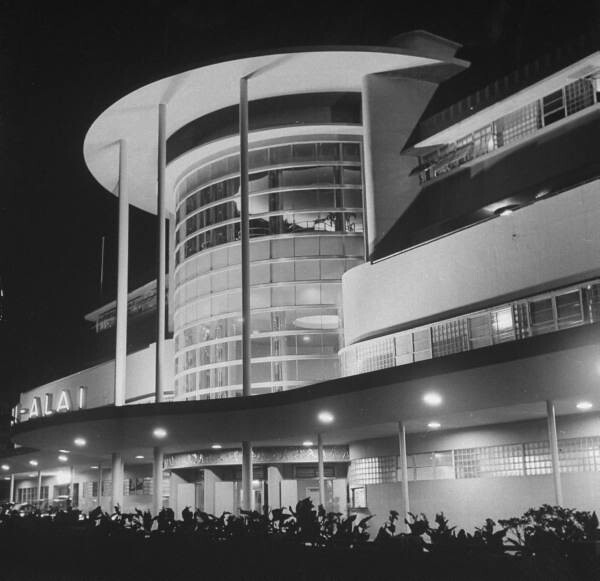






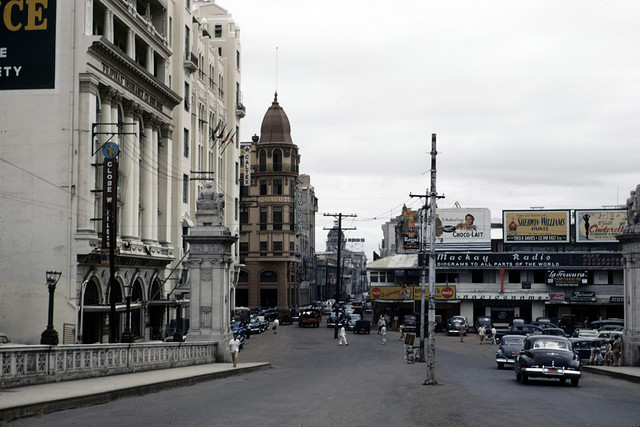


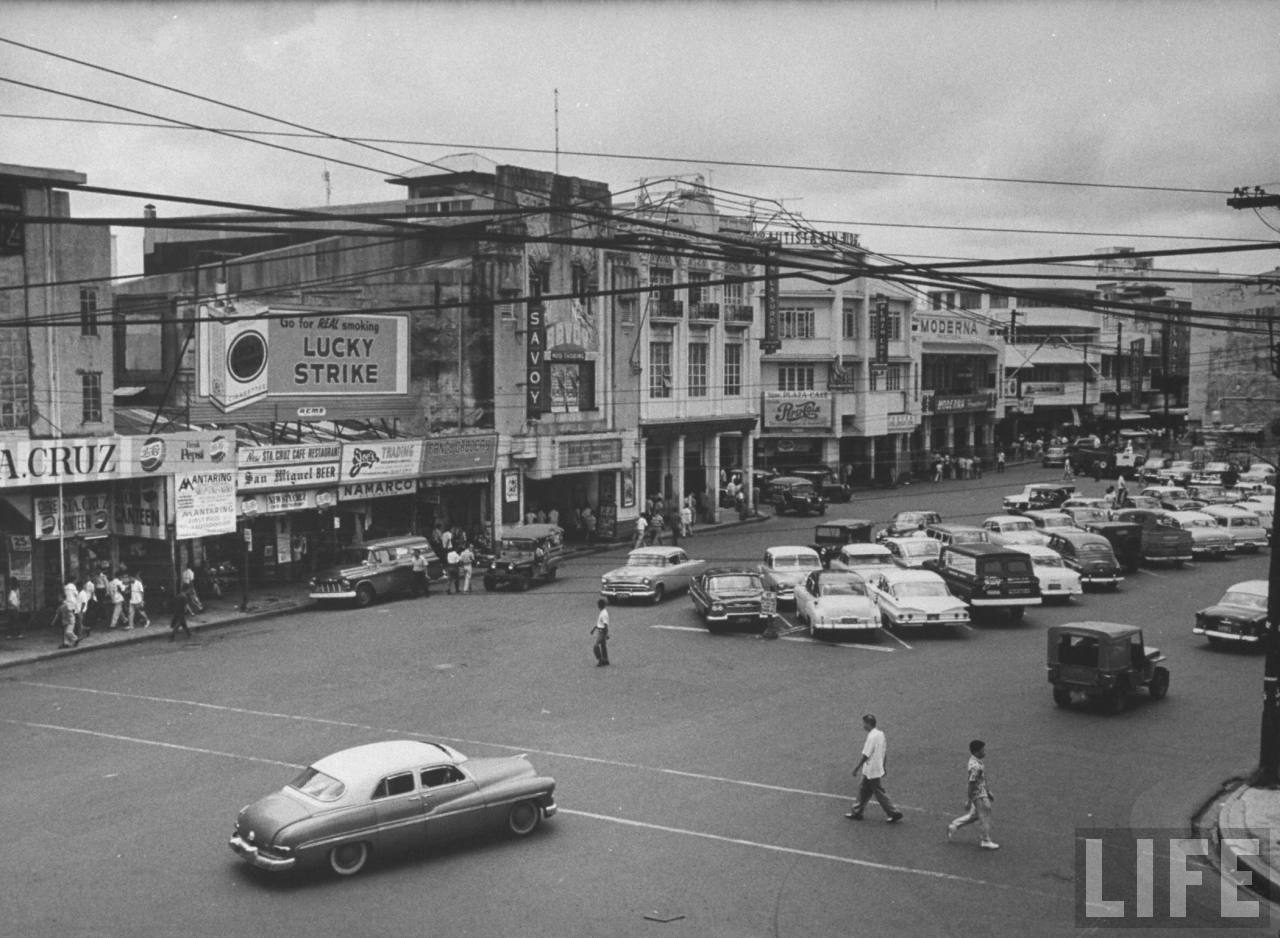

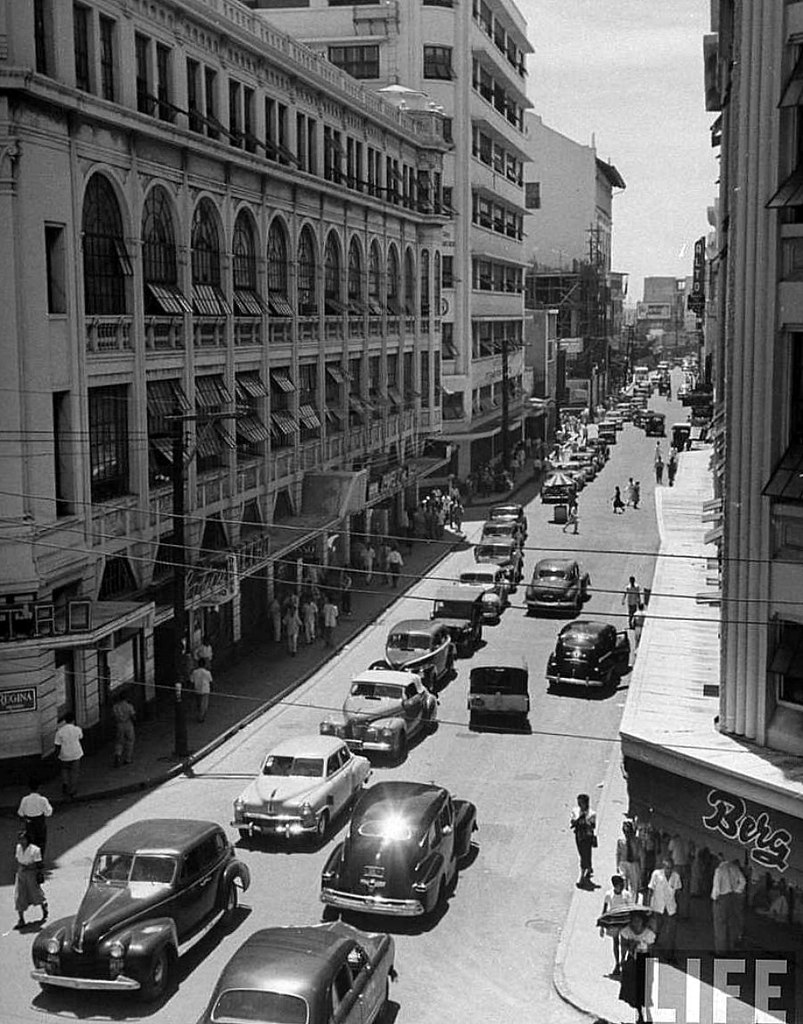
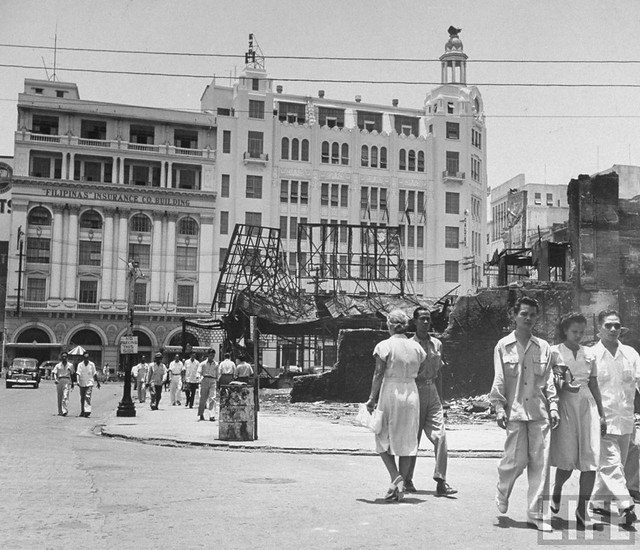
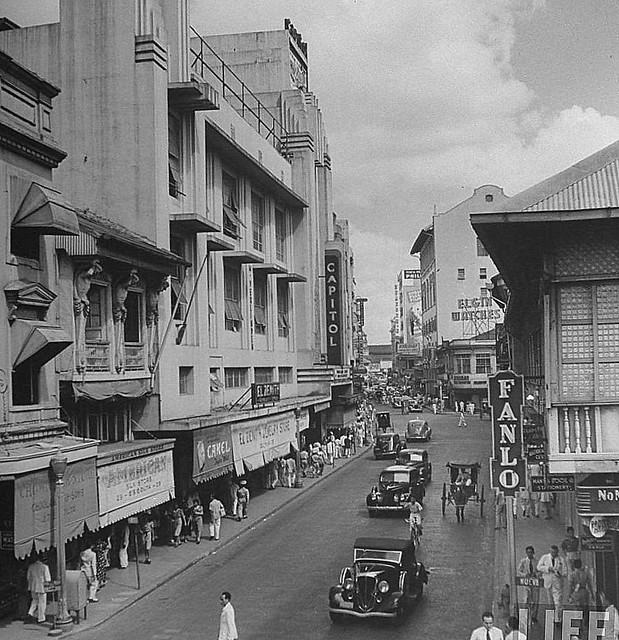
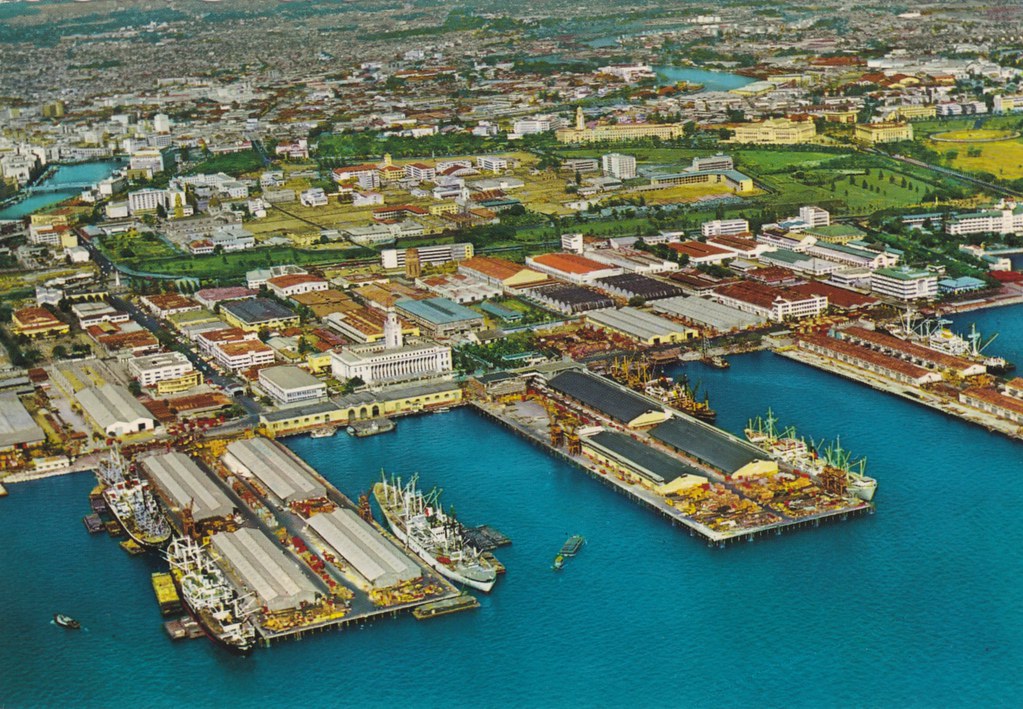
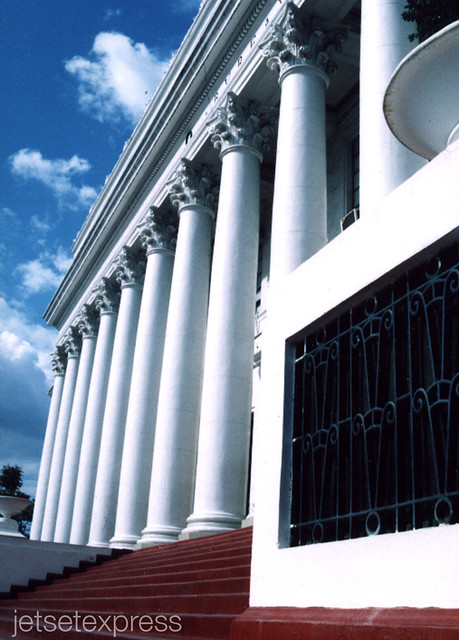
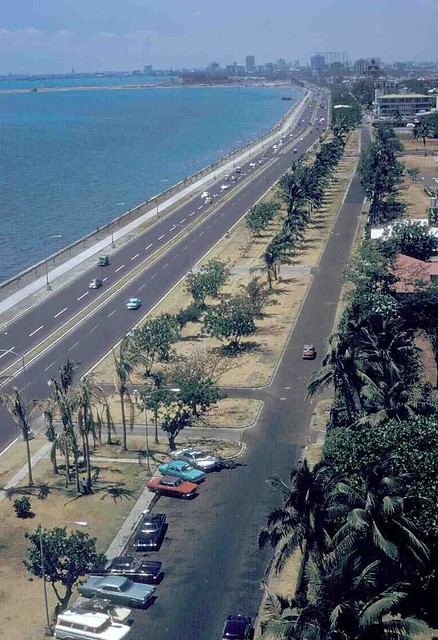
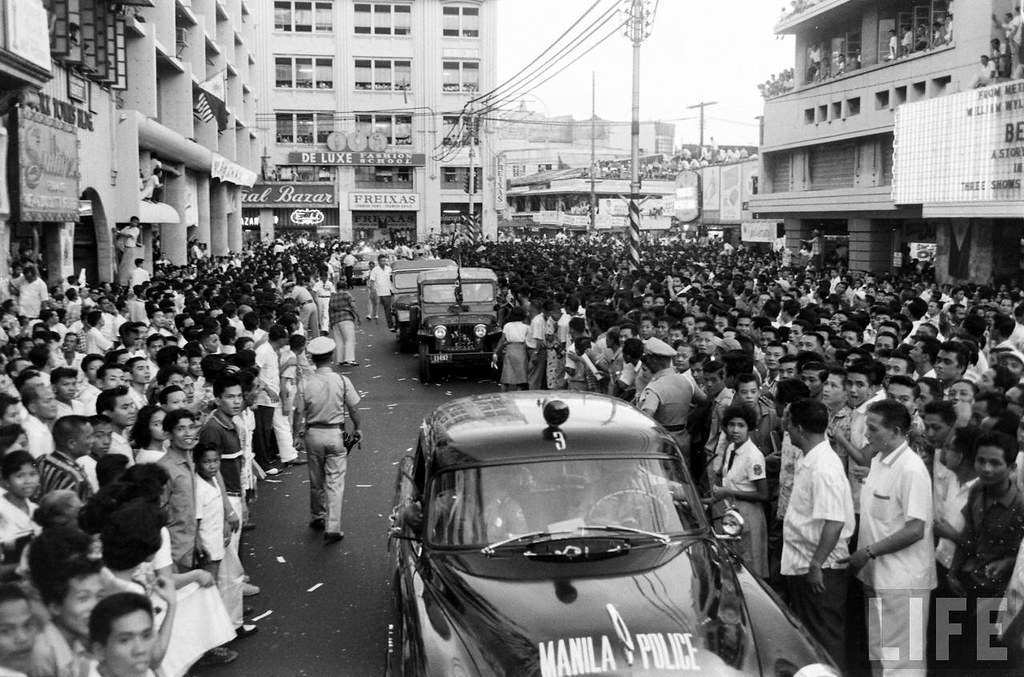 Eisenhower visit. I was there observing the motorcade as a sophomore at U.P. Prep. Luneta below. This was the Luneta I remember ... I was in my 2nd year High School at the University when "Ike" visited the Philippines. ... of course Ike used to live here before the 2nd WW when Philippines was a Commonwealth of the United States and was aid to the Field Marshal ...now President of the USA.